Why Is Eco Mass Material Widely Preferred By Manufacturing Designers?

Eco Mass material has changed the way manufacturers select raw material within manufacturing industry. For designers, working with this material offers numerous benefits. Designers can use their heavy density and lightweight property during design process.
There are many reasons that make this material as best injection mouldable material.
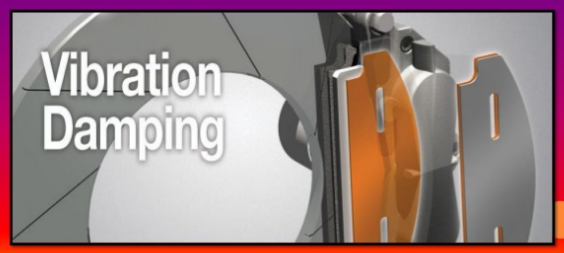
• The material offers a wide range of unique properties, including vibration damping, flex strength, impact-resistant, and heat deflection.
• It also offers to lead free usability features and can be used in manufacturing wide range of products.
• The chemical property of the material makes it non-toxic by nature and safe to use raw material.
• It can replace plastic in most manufacturing areas including machine parts and components.
Medical applications
Eco Mass material is also appreciated for its X-ray shielding property and is thus widely being used in medical appliances and machines. It is also used in manufacturing cabinets and containers that are x0ray resistant.
Ammunition uses
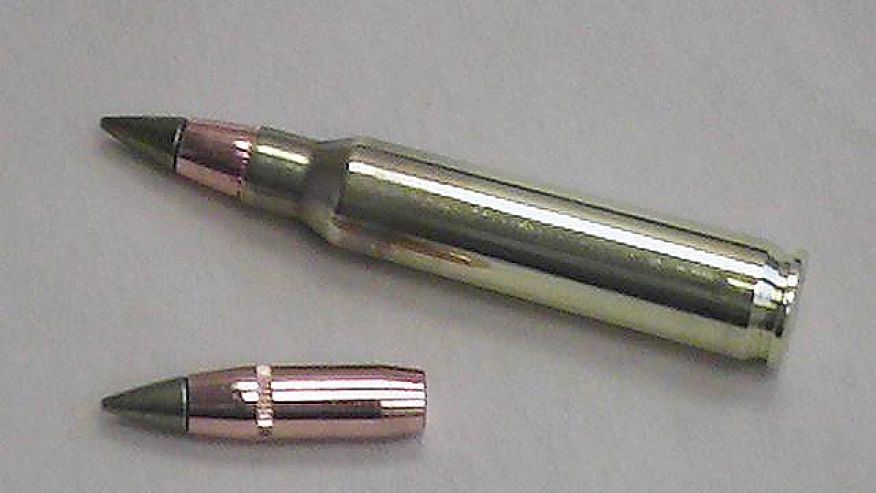
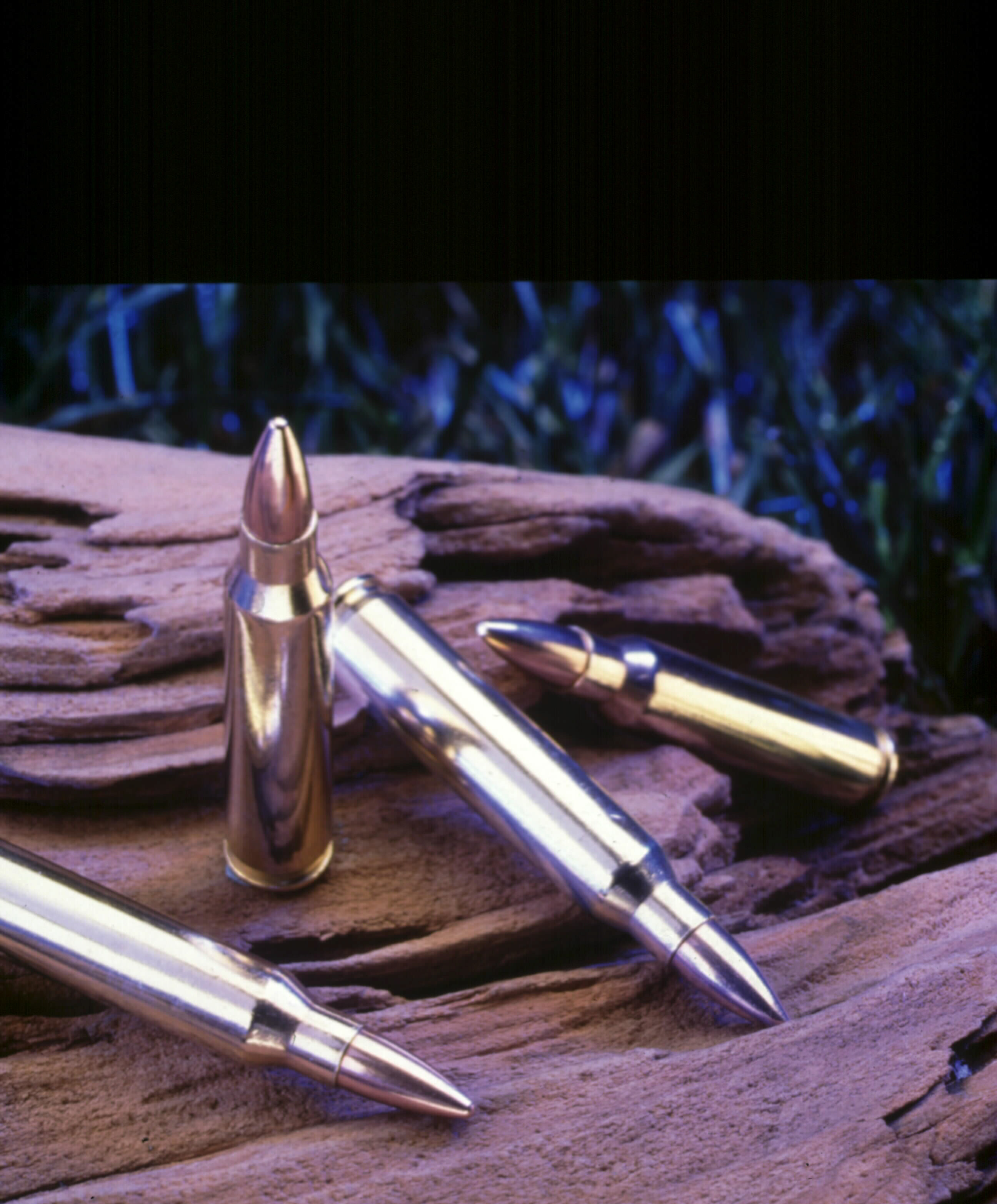
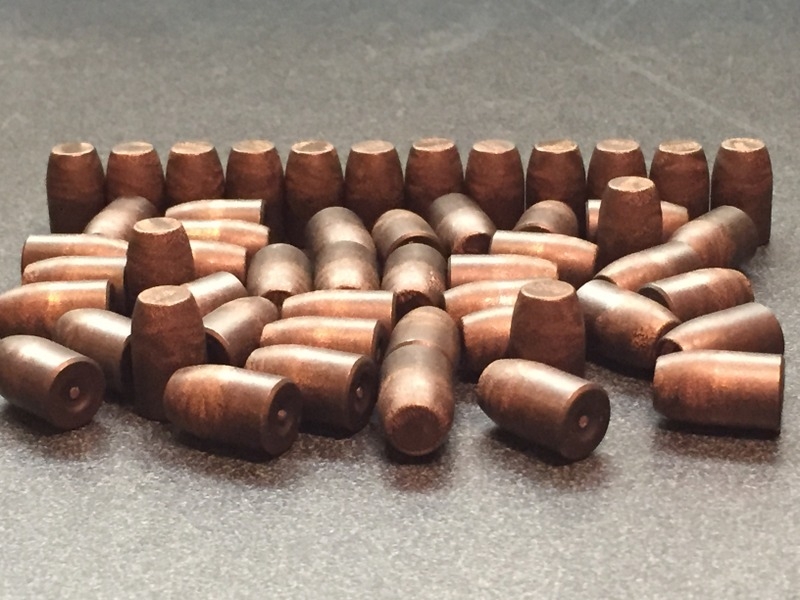
The material has its unique property of being non-toxic and can be used for manufacturing ammunition casings. The material is also recycled type, and so same ammunition case can be remodeled to be used over and over again.
Specialized machine parts
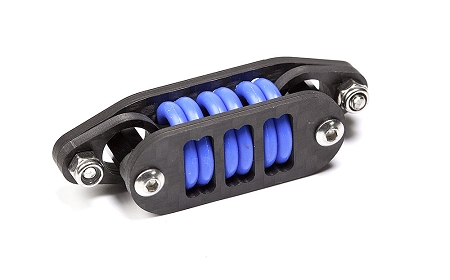
Being durable and rich in Vibration dampening property, the manufacturers are making use of this material for manufacturing automotive movable parts. It can be used as a material for manufacturing transmission shifters.
This single feature ensures that the performance factor can be improved to a much greater extent. Being higher in mass and strength, eco mass material can be used for manufacturing long-lasting engine components.
Sports equipment
Lightweight, high density, and high strength are what make this material better quality as compared to metal material. Eco mass material can be used for manufacturing golf clubs that can withstand high impact conditions.
Manufacturers are making use of high-quality eco mass material for manufacturing clubs and other golf accessories.
A better replacement for lead materials
As compared to lead material, eco mass material offers with better advantage. Apart from being used as the best X-ray shielding material, there are numerous applications where it can effectively replace mead and similar materials.
Within the manufacturing industry, eco mass material is considered as a quality substitute for lead and expensive metals. It can be manufactured to the most accurate weight that matches the lead metal. This makes the material ideal option to be used in odometer devices.
Waterproofing properties
Eco mass is thermoplastic in nature, and so it can effectively withstand water. This makes the material corrosion-resistant. This unique property enables eco mass material to be used in waterproofing shields and other instruments that work being water submerged.
Housing material
All properties offered by eco mass material also make it best raw material that can be used within the housing industry. This material is considered as best replacement for steel that is used in laying down foundation.
Apart from this, being an ideal replacement for metals, this material also holds its reputation for being used in manufacturing electrical appliances where current flow has to be restricted.
Impact of Materials on Medical Wearables
The Dangers of Lead poisoning


Could Earth's Protective Shield Be Cracking?

Solar Winds and their Role
A Bullet Train with Fold-Up Beds

Ammo the Key to Hunting Deer?
Plastic Adopton Increasing with New EU Car Emission Targets
Changing Concepts of the Big Game Bullet
All You Need to Know About Radioprotective Garments
 Lead-alternative protective garments, on the other hand, offer a similar level of radiation protection without forcing you to deal with the use of lead and make yourself succumb to the dangers of lead poisoning. These garments use radiation shielding materials such as antimony, tungsten and bismuth and the level of protection offered is almost identical.
 If one is thinking about switching to a lead-free shielding garment, it is essential to consult a medical physicist or radiation safety officer before making the switch. These professionals can give you an EDE1 radiation monitor which uses 2 dosimeters in order to evaluate the protective value of the new garment so that one can directly evaluate the protective value of lead-alternative protective garments with regards to the work environment.
Radiation Shielding Materials Could Protect Mission to Mars
Radiation shielding and magnetic shields could be the best form of protection for astronauts from radiation as they travel to Mars or explore new planets. Radiation in space usually comes from two main sources – high-energy particles that originate outside the solar system known as cosmic rays and low-energy protons which are emitted by the sun’s rays known as solar wind. Researchers believe that long-term exposure to these particles can significantly increase the risk of developing cancer.
Current science offers adequate protection from the low-energy protons of the sun in the form of thick spacecraft walls. However, the high-energy cosmic rays can actually interact with radiation shielding materials to create greater levels of radiation. A project funded by the EU known as SR2S is in the process of developing magnetic shields which can deflect the high-energy cosmic rays the way earth’s own magnetic shield protects the planet from cosmic radiation.
The Solution
The idea to use high gravity compounds and magnetic shieldswas first proposed by Wernher von Braun in the year 1969. He proposed using a superconducting magnet to create the shield and prevent cosmic rays from generating radiation.
Dr. Riccardo Musenich, the technical and scientific manager of SR2S, believes that “the magnetic field generated by a superconducting magnet surrounding the spacecraft would protect the crew”. This project is also the first to investigate the principles of magnetic shielding without compromising on engineering issues.
SR2S evaluates the feasibility of making these shields using superconductors, materials that do not have any electrical resistance, even at low temperatures, to solve the main problem associated with such shields – the desired weight of the magnet. Commonly seen in MRI scanners, these magnets can produce stronger magnetic fields despite their lighter weight, making them an ideal option for space vessels.
Limitations

Radiation shielding materials need to be cooled down to low temperatures with the help of helium in order to make use of their superconducting properties. However, the SR2S initiative plans to use MgB2, a material discovered in 2001, which can superconduct at -263 degrees C, removing the need for helium, as such temperatures can commonly be found in outer space.
A Habitat for Mars
Protecting the spacecraft sounds like an easy task, but offering radiation shielding in Mars might be another matter altogether. Mars has a weak magnetosphere and a thin atmosphere which means that astronauts won’t be safe from radiation in the planet. To address the challengs of radiation shielding in such an environment, researchers are looking at establishing self-deployable working and living space that include rigid sections to support life and robotic monitors and folding sections for workspaces. Versions of this habitat could also be used on earth, to offer shelter in areas hit by natural calamities or provide mobile laboratories which make it easier to live in the most inhospitable and inaccessible of environments.
East Oregonian Hunters Begin to Embrace Lead-Free Ammunition
Embrace lead-free ammunition, not because the world around you says so, but because it could actually turn out to be a lifesaver for you and your family.
Ask Scott Peckham, a hunter and game ecologist for the Umatilla Indian Reservation. As Peckham bit into a sizeable chunk of lead while enjoying his plate of venison spaghetti, he learned that lead-free projectiles could actually do him a world of good. Lead is incredibly toxic. Flint reminded us of that. So while eating antibiotic and hormone free game sounds appealing, you really need to ensure that you don’t end up ingesting lead. Peckham’s lead-rich spaghetti episode forced him to stock up on lead-free ammunition before his next hunting adventure.

This is incredible news, says Lynn Tompkins, the executive director of Blue Mountain Wildlife. Lynn’s work makes her witness the carnage of lead on a daily basis as she tries to care for injured, orphaned or sick animals and birds that are brought to her center. She found that the lead levels in these animals were sometimes as high as 209 mg per deciliter. One bald eagle even went up to 411 mg per deciliter! Eagles, owls and hawks all get exposed to lead when they ingest shotgun pellets or bullet fragments from dead animals that were shot, but not recovered by the hunters.
Many states are now working towards banning lead-based ammunition. California plans to become entirely dependent on lead-free ammunition by the year 2019. Oregon also has some laws in place when it comes to shooting waterfowl, but other types of game hunting are yet to be regulated.
Tompkins expressed her concern for the health of these hunters and their families. She referenced a study conducted in the University of North Dakota in the year 2008, where researchers found lead fragments in more than 59% of the packages of ground venison donated by hunters. This concern also led Tompkins to offer the locals a service: the option to get their packages of game meat x-rayed for free to ensure that they are lead-free.
Others are quick to advocate the benefits of lead-free ammunition as well. “The carcasses are left on the landscape, and we end up with a lot of lead. With copper or plastic frangible bullets, that wouldn’t be a problem.” says Leland Brown, Lead Control Coordinator, Oregon Zoo. Brown says that he spoke to more than 4000 people about the dangers posed by lead ammunition, and often got the response, “Wow, I never thought about this.” An avid hunter himself, Brown believes that the community will soon rise to the occasion and begin to champion lead-free projectiles.
Hunters have always had a history as conservationists who believe in taking care of the wildlife. They love nature and wish to live around what has been passed down for generations. They simply do not want to wake up and not see another bald eagle in the woods again. The reasons for not switching to lead-free ammunition could be many. Some already have vast stockpiles of lead ammunition and wish to exhaust it before switching. Others balk at availability and performance issues, although that problem is constantly receding as newer technologies are made available.
Humans are nothing if not creatures of habit. We are slow to change. But we can also be rest assured that as the hunter community sees the benefits of lead-free ammunition, more and more people will speak up against using lead bullets.
Flint Water Line Lead Replacement Begins with Controversy
Months of suffering seemed to be coming to an end as work started on lead replacement in Flint service lines, but true to the entire fiasco, the start wasn’t without controversy.
Flint Coalition, a group of business, charitable and community entities, is working with the residents to help them out during these testing times and is also paying for line replacements. Gov. Rick Snyder had announced his plans to conduct a water infrastructure study in order to identify the various types of service lines in the city and also to replace 30 lead lines. The study was expected to be completed by March 15. Mayor Karen Weaver had also discussed her own plans to start pipe replacements. With so much hope on offer, you’d expect lead replacement work to be in full swing.
However, Waldorf and Sons Excavating crews arrived at 717E. Alma Ave. to replace the service line from the water main to the house, only to realize that a police officer had ordered work to be stopped, as city officials checked to make sure contractors pulled permits.
Kristin Moore, the spokeswoman for Mayor Weaver, wrote in an email to the Flint Journal that work had only been temporarily stopped to make sure that everything was in order and the proper permits were in place. She further wrote, “once that information was verified, the work was allowed to proceed.”
Meanwhile, any further delays simply make things more difficult for the locals. “It’s a basic human right to have clean water”, says JenanJondy from Sylvester Broome Empowerment Village. “The water is terrible”, added Brittani Felton, stating that her two young children were battling skin conditions due to the water.
To add fuel to fire, Eric Mays, a city councilman who had advocated for black contractors to perform line replacements, got into a shouting match with Arthur Woodson, a water activist who helped in organizing the replacement.
Visibly frustrated by the delays, construction crews broke for early lunch, leaving the officials to sort out the permits. Work was finally allowed to resume an hour later after the local police confirmed that all necessary permits had been filed with the city.
Despite all the controversy, Felton actually felt blessed to see the line at her home being replaced.
Flint is currently in the spotlight after some of its children showed elevated blood levels once the city changed its water supply to the Flint River in the year 2014, a horrendous decision that was made when the city was run by an emergency manager.

Regulators never actually required the river water to be treated in order to make it less corrosive, and this caused lead from the pipes and plumbing to mix with the city’s water supply. And despite reconnecting to the Detroit water system, local residents were advised to only drink city water if they were using lead-clearing filters.
Tough times ahead for a city that has already seen a lot of problems due to the dangers posed by lead! Perhaps, now it is time for us to wake up to the dangers of lead poisoning and look at lead alternatives and lead substitute materials and technologies?
The Global Impact of Lead Poisoning
Lead poisoning came into the spotlight once again as the levels of lead in the tap water in Flint led to a national outcry against the health hazard and highlighted the government’s failure in being able to cope up with the problem. The Flint crisis forced us to dissect the issue and finally open our eyes to the something that has been staring us in the face for decades. Studies say that thousands of Flint children could end up with reduced cognitive functions and other mental disorders due to lead poisoning. And we’re not even scratching the surface. The problem in Flint, as big as it is, is just the beginning. Environmental health experts believe that lead poisoning leads to thousands of deaths each year, and forces thousands more to live reduced lives. To make things worse, this problem exists all around the world, despite the availability of lead replacement solutions for all kinds of applications.
A Civilization Scorned
 The EU and the US have taken definitive steps in addressing the issue of lead poisoning by reducing and monitoring the use of lead. However, there are a number of countries that have failed to do anything to protect their citizens, leaving the local populace vulnerable, the future generation scorned. Dr. Philip Landrigan from Mt. Sinai Hospital New York states, “The problem in the US is serious, but it’s overshadowed by the global problem.”
A Case of Pushing Dirt under the Carpet
The world is haunted by all kinds of health and environmental problems today. Pollution, population crisis, limited resources;some of these forces are beyond our control. However, the case with lead is not the same. Scientists know how to deal with lead poisoning and nip it in its bud, and with the availability of high density materials that act as lead alternatives, they also know how to do so without having to spend huge sums of money. However, that doesn’t mean that the officials are willing to spend the money, time or resources to address the issue. The problem with lead poisoning is that it usually tends to affect the lowest sectors of society, and the problems aren’t noticeable immediately, making it easy for those in power to ignore the entire issue.
So Near, Yet So Far
Some countries are serious in their fight against lead poisoning, at least to an extent. However, millions of people around the world still suffer from exposure to lead with no remedies in sight. Medium and low-income countries such as the Philippines, Mexico and India rank among the most exposed countries, and the future certainly looks bleak in these communities.
The Culprits
According to Pure Earth, an anti-pollution NGO, the main culprit, the biggest contributor, the worst offender is car battery recycling. The organization identified as many as 800 sites in developing countries that are dedicated to extracting valuable metals and lead from used car batteries for resale purposes. Since these facilities don’t meet the desired environmental or health standards, lead ends up affecting the workers, the local environment and the surrounding soil, and is in turn ingested by the local population.
Considering the damage lead poisoning can wreak on the human body, you would think that lead is being kept as far away from the kitchen as possible. However, studies also show that many families salvage lead from car batteries inside their homes, in their backyards, to add to the family income. It is so easy to make a couple of dollars by recycling a car battery. It certainly looks like an attractive population. If you’re willing to play with your child’s future and your family’s health, that is.
Another source of lead poisoning is ceramic dishes. SaludPublica, a Mexican health journal, discovered that lead contamination was directly responsible in a reduced average IQ across Mexico’s population.
Not My Problem
The problem is more serious than many would care to admit. In fact, the foundation to leave entire generations struggling to function properly has already been laid down. Think of lead poisoning as an entire society that has trouble processing numbers and learning how to read. It is difficult to imagine the next Darwins, Newtons and Einsteins come from this community, isn’t it. Remember, the future generation will only have to suffer if today’s generation chooses to look the other way when it comes to lead replacements!
A Better Tomorrow?
Lead contamination isn’t the most challenging issue to deal with, but it needs proper commitment. The best way to get rid of lead poisoning is to dig up a huge hole in a remote location, line it up with plastic and dump the lead there. An even better solution is to look at lead alternatives. However, this doesn’t help the thousands already affected by lead poisoning. Studies show that an increase in violent crime in developed society has also been associated with lead poisoning. And the link to lead exposure and cognitive development problems has been highlighted and reinforced for decades.
Governments and lawmakers need to do their bit to eradicate the problem of lead poisoning, but there are a number of things that YOU can do as well. Today, companies such as Ecomass Compounds present non-toxic lead replacements for all kinds of applications that range from vibration dampening, weighting, radiation shielding, ammunition and balancing. It is entirely possible to enjoy the same advantages using high density materials and not have to deal with the downside of using lead, without increasing operating costs.
Working with High Density Materials
Choosing the right high density material for your application presents all kinds of benefits. These non-toxic, polymer-metal compounds can be used to replace traditional metals as well as lead in areas such as radiation shielding, balancing, vibration dampening and weighting. Here’s a short guide to help you choose and work with materials that allow you to take your applications to the next level.
Why Choose High Density Materials?
The world is finally accepting high density materials with open arms as safety concerns, environmental issues and health precautions drive the demand towards replacing metals. There is also a need to replace metals while ensuring an increase in part density as metals are becoming more and more costly and complicated. High gravity compounds present excellent benefits such as sustainable formulations, non-toxic solutions and an outstanding balance of properties.
Great, Lets Choose One for My Application Requirements
While working with high density materials is easy, choosing the right material requires specialized knowledge. A number of factors need to be considered, the least of which include barrel temperature, desired molding method, processing speed, part handling and tool design. Moreover, the choice of high-density filler and polymer matrix also has far reaching effects on the properties of the material and how effective it is in meeting the various application requirements.
The Case of High Specific Gravity
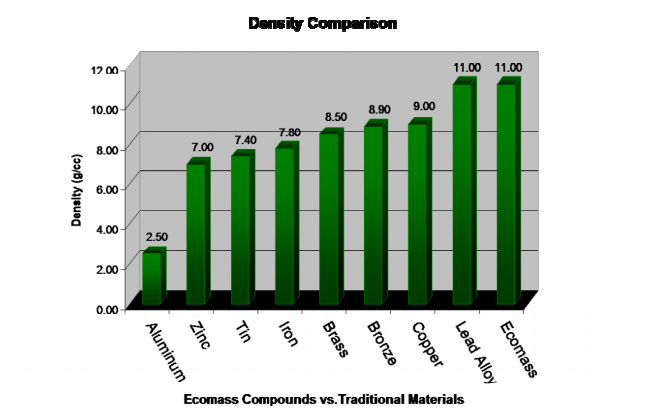
Every high density formulation designed to replace metals and lead needs to have a high specific gravity that varies between 2 to 11. Replacing traditional metals with these materials allows you to add weight without compromising on part geometry. In other words, you can maintain the volume and part geometry, while adding to the overall part weight for higher quality, balance or momentum. For example, choosing materials with a high specific gravity of 2.6 will lead to an increase of 0.4 lb in part weight. Similarly, a specific gravity of 11 will to an increase of as much as 2 lb. A heavier weight appeals one’s perception of the product, and this immediately screams quality. A simple example is replacing zinc die-cast knobs with high gravity compounds to achieve a heavier weight without compromising on volume, part design or efficiency.
Lead Free Economies
Lead has emerged as one of the main substances of concern due to the countless health, safety and environment concerns. The use of lead is highly regulated in most countries and this makes it a lengthy and costly affair. There are risks for individuals working with products containing lead to factor into the picture as well. This is where densified materials can provide great value. These densified plastics can and are being used to replace lead in a wide variety of applications, including the introduction of lead-free applications in x-ray equipment and ammunition and much more.
Getting Back to the Basics
1.) The first step towards selecting the right high density material is to determine your application requirements. There are all kinds of options as you can easily combine different resins to different additives to get the desired outcome. A few factors that demand your attention are:
• Physical performance to environmental exposure • Electrical performance to environmental exposure • Mechanical performance to environmental exposure • Aesthetics • Regulatory standards or industry requirements, if any2.) The next step is to design the mold. High gravity compounds have a tremendous impact on your mold design and certain adjustments/ alterations may be needed, irrespective of whether you use hot or cold runner systems or whether you choose two-plate or three-plate molds. For example, the type of steel used in the mold is very important. If you’re working with low-volume and low specific gravity materials, the P20 standard works perfectly. However, higher specific gravities may demand standards such as H13 or S7.
3.) Choosing between cold runner and hot runner systems is equally important. Adding a densified material into the mix will most likely increase the thermal conductivity of your matrix. Therefore, you need to prevent the flow front from causing high-pressure situations or freezing earlier than usual. In a cold runner system, this can be achieved with short flow lengths. Remember, your new material is more brittle, and it may break or crack if the flexing is high during the demolding process. If you’re working with hot runners, you need to ensure that the melt flow is thermally and mechanically balanced. Avoid valve gates as the shut-off provided by these materials isn’t as free-flowing as traditional plastics.
4.) The flow front needs to be kept open for as long as possible to minimize shear. This can easily be achieved by using diaphragm gates having 60 – 80 percent wall thickness.
5.) You do not need to invest in expensive cooling systems. The higher thermal conductivity helps to reduce cooling time.
Remember, when working with high gravity compounds, you also need to provide uniform pressure across the part while it is being pushed out of the cavity. Minimizing the falling distance to the conveyor or the bin and robotic/ manual handling helps reduce the risk of damage.
Back to the Blackout
You love it or you hate it. You simply cannot have it any other way. The .300 Blackout is one of the most unique frangible projectiles currently featured in the gun industry, and this non-mainstream bullet has people buying into the Blackout Fever recently.
Meh
Many are falling in love with the .300 Blackout, but it certainly has its own set of disadvantages. First and foremost, this is a non-versatile cartridge, which means that it never gives you a rifle-like feel. And that is the whole essence of shooting, isn’t it? Moreover, it isn’t as good over distances greater than a few hundred yards.
Going Ga-Ga

At the other end of the spectrum, it is common to see people call the .300 Blackout the ‘best carbine cartridge in the world’. Sure, it isn’t the best option over a long range, but you aren’t Chris Kyle are you? When it comes to gun range and individual use, the .300 Blackout presents a greater impact authority than the 5.56 mm. In fact, the .300 Blackout turns out to be one of the most versatile cartridges, particularly when it is hand-loaded. Here are a few reasons why this non-mainstream frangible projectile stands out.
1. Versatile – Its versatility is undeniably its greatest asset. It can shoot bullets from the 110-grain at 2400 fps and the 220-grain at 1050 fps. The lighter grain bullet is perfect for deer and hog hunting, while the heavier ones are ideal with a good suppressor. 2. Modified .223 cases – The .300 Blackout uses the 5.56 mm/ .223 case, one of the prime choices for inexpensive, extensive hand-loading. 3. Compatible to suppressors – You may not need one, but you always want one. Who doesn’t dream of a gun where the only sound you have to deal with is the bolt cycling. 4. More authority – The 5.56 gets excellent mileage from your cartridge, but the .300 Blackout isn’t about mileage. It is designed to shoot projectiles with an energy that is close to the AK-47. 5. Cheap ammunition – A number of companies present excellent .300 Blackout loads at $1.5 a pop. And you can reduce that by one-thirds by hand-loading.6. M16 parts – The 6.5 Grendel and the 6.8 SPC doesn’t work properly with M16-type magazines, but that’s not the case with a .300 Blackout. It uses the same gas system and bolt and cycles beautifully with standard M16 magazines. This means that you never have a problem transforming a 5.56 AR 15 into a .300 Blackout.
I Can’t Deal with Lead
Companies like Ecomass Compounds offer lead-free alternatives for the .300 Blackout. The recent crisis in Flint showed us just how susceptible we are as a society to the dangers of lead, and you can certainly do your bit by going for lead-free ammunition. Not all .300 Blackout cartridges are lead-free, but certain companies are offering green ammo to those wanting to join the Blackout Fever without compromising on their promise to avoid the use of lead.
Ecomass Compounds Make Their Way into Ballistic Tips
Hunting is as thrilling as a sport can be, but the more one hunts, the more one comes to realize just how unforgiving this ancient art really is. The sport can be incredibly unpredictable and split-second decisions usually end up being the difference between a successful kill and a miss. The modern man has a number of technologies to aid him while hunting, but this very technology also made hunting more unpredictable than ever. Well, at least until man discovered the frangible bullet and more specifically the ballistic tip!
Blow a Gasket, No More
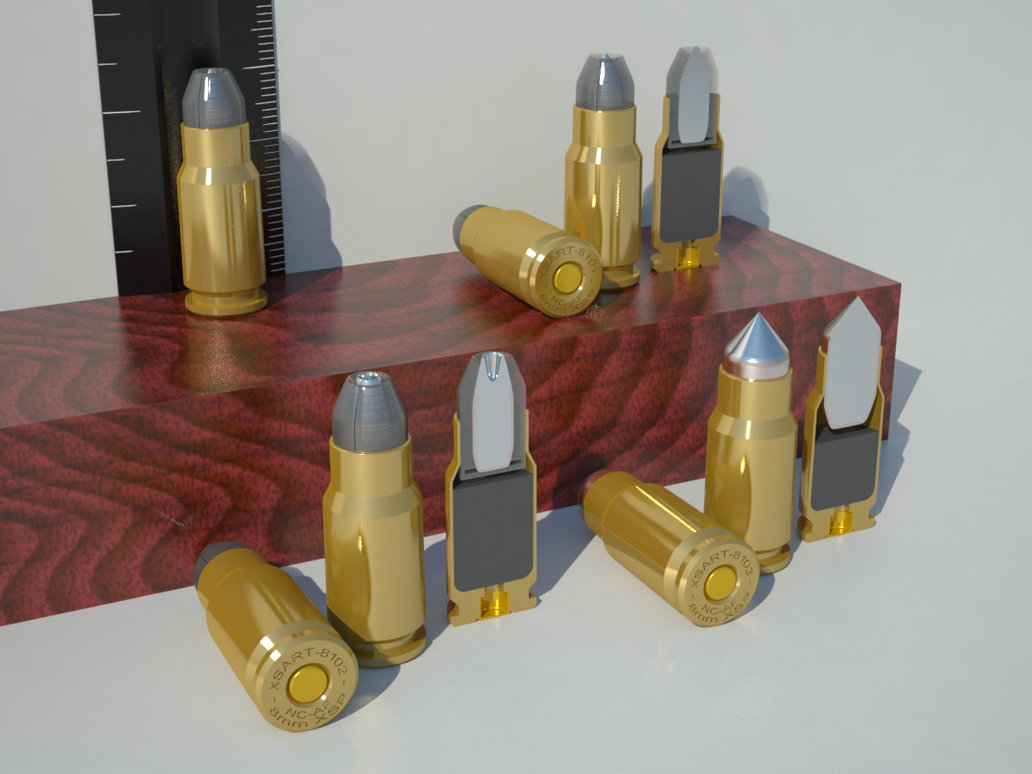
The biggest advantage of using ballistic tips is that they make the hunting bullet incredibly predictable and improve performance. Whether you’re chasing blacktails, whitetails, deer or antelopes, this proprietary matrix tip provides energy retention as well as high downrange velocity without compromising on precision accuracy. In other words, the ballistic tip provides the kind of consistency, accuracy and punch you need to put down the buck, irrespective of the situation.
Ballistic tips are essentially wind-defying flat-shooting bullets which use polymer tips and ballistic boat-tails to protect the tip from damage and increase long-range efficiency. The tapered jacket also allows for controlled expansion at all velocities and practical ranges. Simply put, the reason ballistic tips exist is to equip bullet tips with frangible ammunition that helps in creating a larger wound cavity, thereby making the hunting round more effective than usual.
The Hunter’s Perspective
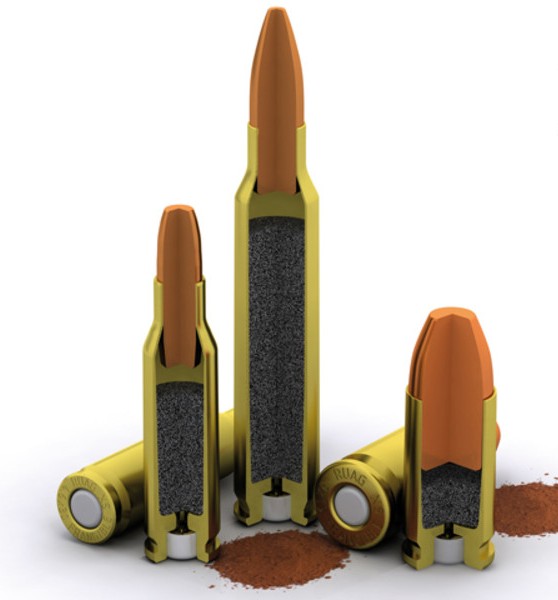
The advantage of using a ballistic tip is two-fold. Firstly, the top covers the hollow cavity, thereby making the bullet more aerodynamic in nature. This means that the velocity the bullet is able to retain is far greater than a standard hollow point. Secondly, the ballistic tip expands upon impact because the tip gets pushed back into the cavity, thereby forcing the bullet to expand. This allows for precision accuracy and increased kill efficiency, a common problem with the standard bullet.
Penetration Vs Expansion
The old argument that ‘complete penetration presents a better blood trail to follow’ may have complicated things a bit, but hunters are finally beginning to see the light offered by bullets that enter, expand and expend all their energy inside the deer. Most hunters start off old-school, but soon come to terms with the advantages offered by expanding bullets and ballistic tips. The biggest issue with penetrating bullets is that apart from causing internal damage, the bullet also expends a lot of energy in the shrubbery behind the deer, thereby making it a dangerous tool to play with. In fact, many jurisdictions have actually banned the use of such bullets due to the dangers they pose.
Moreover, expansion is a good thing because the transfer of energy allows for a larger wound channel and makes the hit more effective by disrupting vital functions. And the hunter never cares whether the bullet exited the deer or not. What the hunter ultimately cares about is whether it managed to hit the vitals.
Going Ballistic

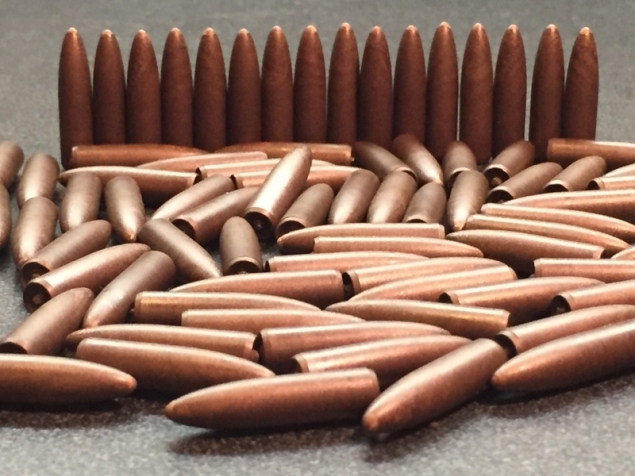
The traditional focus of materials created by Ecomass Compounds was to offer lead-free ammunition, green bullets and safer training ammunition. However, we also began to concentrate on creating applications for the hunting industry and were successful in coming up with ballistic tips. We mold #high-density materials such as copper polymer composites into ballistic tips and add them to standard hunting rounds to present new ways and solutions in ammunition space. They might have been around for decades, but ballistic tips are still seen as the next best thing, and we are delighted to be a part of this world.
Lead:Hunting the Indigenous Hunter
Australian aborigines have adjusted to the modern times and the use of lead pellets is just one example, but we sometimes wonder whether they were better off stalking animals on foot, being able to tell when an emu or a kangaroo passed and what direction it tookby looking at the grass, tracking their prey to the ends of the world, and getting the job done without having to fire a single shot. Australian aborigines have always been famous as hunter-gatherers and many will still argue that there is nothing better than freshly caught meat.
The Hunter is Being Hunted
In their bid to modernize themselves, indigenous hunters may have also exposed themselves to a problem running rampage in the developed world – the problem of lead poisoning. Hunters making use of lead pellets for game shooting in the Northern Territories, Australia could be exposing themselves to the dangers of lead. Using lead pellets is illegal when it comes to waterfowl hunting throughout the country, except for NT, where the indigenous population is allowed to hunt on aboriginal land.
Experts Seem to Agree
Steven Skov, a physician with the Center for Disease Control, says that NT was one of the few remaining places in the developed world which still allowed its hunters to use lead pellets for hunting water birds. This comes as a great cause of concern, particularly once the studies from the 90s are taken into account. According to studies, the magpie geese found in hunting areas had high lead levels in their tissues, primarily because of lying in the mud covered with discharged lead pellets and also because of being shot at using lead pellets. This lead then found its way into the stomach once the hunters made a meal out of their game, thereby leading to elevated levels of lead in the human body.
Lead Becomes Redundant
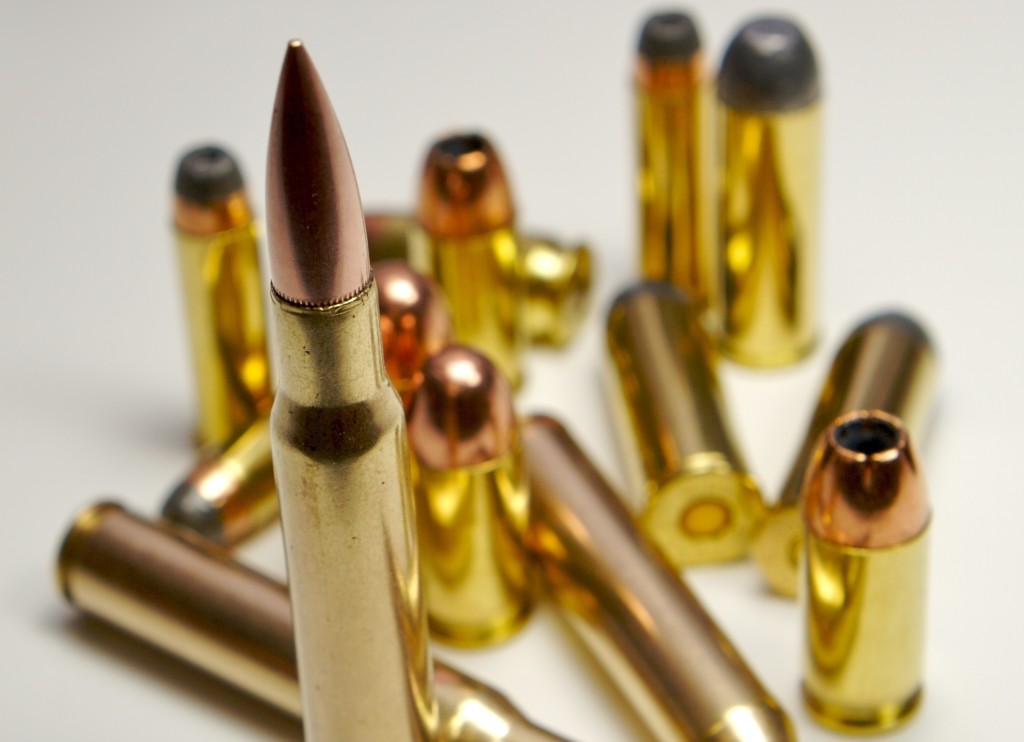
Despite the apparent danger, lead was still being used, primarily because of the price advantage. However, even though the price gap narrowed and lead-free ammunition actually became economical, indigenous hunters continued to use lead. Dr.Skov argues that there is no reason to use the lead shot when better alternatives were available. “You should be able to use non-lead shot with no difference” he says, reiterating that playing with shotgun shells made using lead also put children at risk.
The Dangers of Lead
Lead poisoning is a serious condition that usually occurs over a period of months or years. Lead exposure presents a number of health issues which could be as trivial as fatigue or nausea or as serious as permanent mental conditions or death.
What Can You Do
The simplest way to reduce the use of lead is to spread awareness. Educating the indigenous population on the dangers posed by lead and presenting lead substitutes is the surest way to reduce the use of lead from the community. Exploring regulatory measures and looking towards the government for assistance in the matter could also help in regulating the use of lead and reducing the danger it poses.
Uses of Composite Materials
Composite materials are no longer known as space-age materials that are only used in the defense industry or space shuttles. These versatile metals have now found their way into mainstream life and are being used in all kinds of industries. This article discusses some of the main uses of thermoplastic composite materials today.
What are Composite Materials?
 Composite materials are a combination of two unique materialsthat together makes them superior to the properties offered by individual components. The reinforcement of fibers allows the material to offer better strength and stiffness. These fibers can also be placed in different ways so as to influence the properties of the resulting composite material.
Where are Composite Materials Used?
The following are some of the most common areas where composite materials are being used today.
• Sports: A number of sports have begun shifting towards the use of thermoplastic composite materials because of their need for weight reduction. One of the first disciplines to switch to composites was Formula One. Composites are widely used in crash protection parts of the F1 car. Motor racing soon began using composites in the form of a carbon bike, known for its carbon fiber reinforced epoxy. Other applications of composites can be seen in snowboards, skis and surfboards.
 • Automobiles: Composites are integral to the manufacturing of cars and bikes. DaimlerChrysler uses carbon fiber reinforced plastic for making body components such as doors, flared rear wheel arches and the bonnet of the Mercedes AMG Cabriolet. BMW has also gone for composites in the deck lid, roof and front wings of its BMW M6. Other examples include the carbon fiberbodyshell of the Peugeot 907. Composite materials are highly valued by the automotive industry in their quest for ever lighter materials as new compounds are produced with greater strength and less weight, helping contribute to a more fuel-efficient automobile.
• Home and Garden: The use of thermoplastic composite materials in and around your home is still quite limited, but new applications are coming up every day. Furniture, such as maintenance-free doors and windows, is one area where the use of composites has been experimented. Other applications can be seen in decking and swimming pools.
• Consumer Goods: Composites are commonly used in electronics and some of the most common examples include the Acer Ferrari 4000 notebook and the Sony VAIO notebook. Composite materials are also used in B&W loudspeakers.
• Construction: From plastic-laminated trusses and beams to outdoor decks and porches, composite products are finding their way into all kinds of construction applications.
• Ballistic Protection: Carbon composite fibers are being used to make bulletproof vests to offer lightweight body armor that doesn’t compromise on offering protection from flames, explosives or bullets. Kevlar, an example of such a fiber, is five times stronger than steel, yet half as dense as fiberglass.

Why Choose Ecomass Composite Materials?
Ecomass Technologies has been offering engineered thermoplastics composite materials since 1998. Our expertise in the area allows us to develop high-density thermoplastic compounds and ensure that our plastics solve the material challenges faced by your products without breaking your budget. We specialize in lead replacement and high-density applications and our compounds can be used for all kinds of applications, from radiation shielding and balancing to vibration dampening and weighting. Moreover, all Ecomass composite materials are 100% lead-free and do not include any hazardous or toxic materials. So whether you need a lead substitute or a replacement for aluminum, copper, bronze, steel, stainless steel or brass, we always have the right solution for you.
Applications of Thermoplastic Composites & Properties
A composite material is a compound that consist of two or more material components that have different physical and chemical properties. The resulting composite material has characteristics different from the individual constituents. In a composite material the different components are separated and distinct in finished layers. They have various uses that span all industries and applications. Examples of composite materials include cement for building materials, plastics like fiber-reinforced polymer, metal composites and ceramics like metal ceramics. Use of composites has grown in importance in spacecraft and in aircraft environments among other industries, and new composite materials are being developed constantly to advance the boundaries and capabilities of material science.
Thermoplastic composites.

A thermoplastic is a polymeric material that can be shaped into a viscous material at a temperature either higher than its transition temperature or a temperature above its melting point. Thermoplastics can be made up of a long, linear or branched materials which are separated away from each other chemically.
Production of composite materials does come with its own challenges such as a time-consuming or expensive production process, and potentially higher scrap rates. Thermoplastic composites have proved to overcome this problem as they are tough, stiff, and cost effective as they can be recycled.
Thermoplastic resins and fiber
When discussing thermoplastic composite materials, generally speaking the composite material will consist of a standard thermoplastic base resin which is combined with some other additive or constituent such as a metal powder, or carbon fiber. The purpose of the added constituent is to add or improve a specific physical property such as increasing impact strength by adding glass fiber.

Thermoplastic composites have several advantages which include efficient heat tolerance, longer half-life, relatively cheap, non-toxic and very low toxic level. They are also reusable, machinable, and flexible for shaping and reforming. Thermoplastics composites are also stiffer compared to other injected molded plastics. Other features that make the thermoplastic composites more useful is that they can be compounded to result in a material that is tougher and lighter compared to aluminum.
Thermoplastic composites have become of great importance in use in the aerospace industry. Use of carbon fiber reinforced plastic (CFRP) has become of great benefit in the production of aero crafts. Carbon-fibre reinforced thermoplastic are formed by compounding the carbon fiber directly into the base resin to result in an easily processed material that can be formed to shape. The resultant material is made to the right size and can consist of up to 60% by volume carbon fiber and 40% by volume resin.
A thermoplastic CFRP has great tolerance to fatigue and damage, it takes a shorter time to manufacture and has low moisture absorption properties making it appropriate for an aerospace environment.
Typical thermoplastic materials used include; carbon/PPS, carbon/PEKK, carbon/PEEK, carbon/PEI, glass/PPS, glass/PEI, and glass/PEEK.
Vibration Dampening Applications
To dampen vibration is to offer resistance to a wave or series of waves coming from a certain source. There are numerous ways in which this can be achieved. However, the basic principle is to offer a form of resistance against a vibration. To picture this correctly, you have to realise the fact that a vibration carries energy from a specific source. The energy sources of a vibration can be numerous. Perfect examples include water waves, sound waves and impact related disturbances. When vibration finds its way into a car, an electronic device, or a plane, it is capable of causing untold damage to the systems or their components. A good number of electronic devices have been damaged following the exposure to a series of vibrations from a specific source. This is because of the energy that the vibration source possesses. The energy carried by a vibration is carried from the source and distributed throughout any nearby system and causes the particles of a system to vibrate from their equilibrium position.
 The equilibrium position of a particle or a system can be thought of as a resting position of that system or particle. When a system experiences a disturbance which is enormous, it will begin to oscillate in response to the disturbance. This means that it will be caused to move from its resting position. Technically, the particles of the system are the ones which will be oscillating about their equilibrium positions. However, collectively the whole system is said to be in vibration as a result of the motion of the particles. A correct understanding of the way a disturbance to a system behaves has many applications. In view of the impact vibration can have on the performance of a system, a good number of specialists are now using vibration dampening methods and materials.
A good number of vibration dampening methods are currently in existence. Actually, the kind of vibration related disturbance to a system is what governs the kind of vibration dampening methods required. For example, structures are now designed with certain special abilities which enable them to withstand the influence of external disturbances such as earthquakes and Tsunamis. In as far as structural engineering is concerned; every structure requires enough strength that so that it can withstand external disturbances. For this reason, structural engineers always account for the impact of external disturbances that can cause a structure to vibrate about its equilibrium position. They often do this to avoid the collapse of a structure following the introduction of an external disturbance that is beyond the strength of the structure.

In the case of electronic systems, there is always a certain vibration damping material that can be used to shield the system against a specific external disturbance. This kind of protection from external disturbances is applied to mobile phones, DVD players and even tablets. An air plane also experiences a series of disturbances while it is still in the air and even prior to taking off. Therefore, it is often appropriate to shield the electronic system of the plane from the effect of external disturbances.
Frangible Bullets – a lead free alternative
A frangible bullet is one that is designed to break into pieces or to disintegrate after coming into contact with a surface harder than it. There are a few cases and applications in which this frangible nature of the round is preferred to a bullet which stays intact upon impact. In particular, frangible ammunition is considered an ideal choice for indoor range shooters and for military and law enforcement training applications because it eliminates the health concerns of lead exposure, while also removing any concern for ricochet risk.
One of the best uses of frangible ammunition technology is in the military where it is used for training purposes. A good number of military departments are now making use of these bullets because of their ability to fragment upon impact. There are numerous advantages that are associated with this unique attribute. First of all, it makes the bullets safer to use during training. During military training sessions accidents such as ricochet may occur on a number of occasions in such cases when standard lead bullets are used. To avoid such issues, a frangible bullet may be used in the place of a standardlead bullet. On the other hand, military training exercises are aimed at the simulation real combat as much as possible. However, they still have to do so in a safe way. This safe way of mimicking real combat without endangering the lives of the trainees is possible because of the nature of the frangible bullet.
Another advantage of frangible bullets over standard lead bullets is that their frangible counterparts do not contain any lead. This attribute makes them safe to use during military training sessions or any other related training session that requires the use of live ammunition. This distinction is particularly important for inside ranges in which the exposure of lead particulates in the air can present a serious health risk for shooters and in particular employees of the range. When it comes to performance, many of today’s top-performing frangible ammunition can match the ballistic performance of standard lead rounds up to several hundred meters.

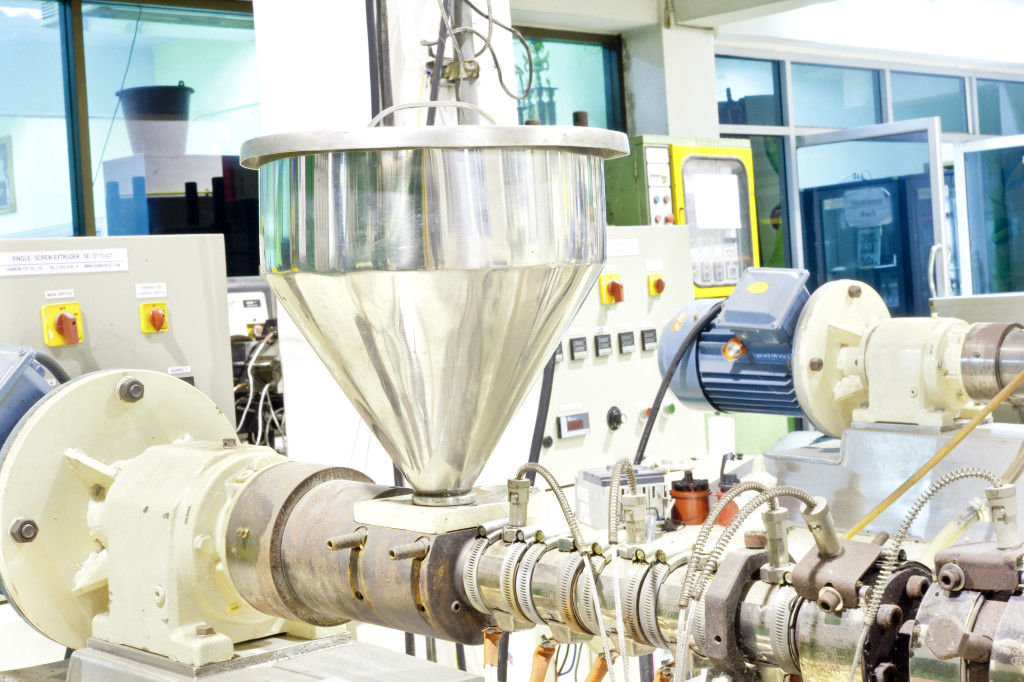
Generally speaking, there are two distinct types of frangible ammunition on the marketplace today. One type is made of a composite metal, such as tin and copper, which are produced using a press and sinter powder metallurgical process. The other major type of frangible bullets are made from plastic composites, standard plastics combined with metal powders to increase the material density in order to achieve the necessary ballistic performance. Such thermoplastic projectiles are produced via an injection molding process.
As the regulations against the use and disposal of lead are expected to further tighten, the expectation is that the frangible ammunition marketplace will grow significantly in order to satisfy growing demand for lead free ammunition.
Important facts about Radiation Shielding
Radiation is transmitted or emitted energy in the form of waves or particles. Radiation includes electro-magnetic radiation such as radio waves, x-rays, alpha and beta rays in addition to acoustic radiation such as ultrasound and seismic waves. Radiation could refer to either the energy, waves, or particles which are being radiated.
 Radiation shielding is both an inherent by-product of many technologies that we depend upon, and also a great threat to human health and safety. While radiation exposure is in some ways inevitable, we are exposed to radiation every time we step outside in the form of UV rays, radiation can nevertheless pose significant health risks. Ionizing radiation can damage the chemical bonds between molecules and even damage the DNA of the affected cells. Moreover, exposure to ionizing radiation is known to increase the risks for cancer. Radiation causes micro damage to the living tissue that result in skin burns. Continuous high level exposure to radiation can lead to radiation sickness which includes cell damage. Even low level exposures can cause damage if the time of the exposure is significant. Beyond the health risks posed to humans, radiation can also have detrimental effects on the environment.
Various methods are used to protect individuals and the environment from the harmful effects of radiation, otherwise known as Radiation Shielding. Radiation shielding is the preparation or discipline of utilizing methods and materialsto protect the living forms on earth from the dangerous effects of radiation. Some materials are better suited than others to act as a ‘shielding’ material, whereby the radiation is either mitigated or absorbed by the material, thereby lessening or preventing some of the dangerous rays from transmitting. Effective radiation shielding materials are generally those with high densities, with lead being the most commonly used shielding material to date.
Today, we utilize many important technologies which produce radiation, such as nuclear power plants, medical x-ray procedures, and many more. In such cases, it is extremely important to utilize effective radiation shielding materials so as to still be able to use the necessary technologies while minimizing the damaging effects of the transmitted radiation.
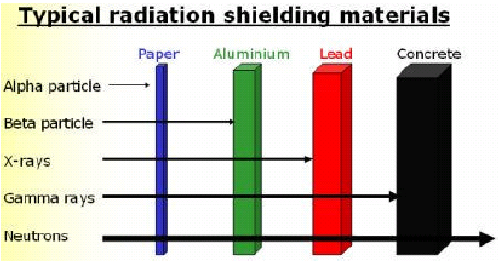
 It is absolutely essential to utilizereliable materials for shielding so as to avoid these damaging effects of ionizing radiation. It is crucial to note that not all the materials are capable for shielding. Hence, it becomes very necessary to use a consistent and effectual material for the shielding. The effectiveness of the materials used in shielding depends upon the thickness of the materials used. The alpha, beta and gamma radiation can be stopped by the varying the thickness of the materials used.
Density is another aspect which greatly affects a materials’ shielding effectiveness. Because of its high density, and because it is a relatively abundant and cheap material, lead has been used as the radiation shielding material of choice because it is particularly good at absorbing damaging rays. With that said, lead is associated with its own health risks, and as a result there is growing demand for lead-free shielding materials.
Understanding vibration dampening
Damping is the act of reducing or preventing the movements of an oscillatory system. If a system is fully damped, it means that the oscillations, and their resulting vibrations, have been fully eliminated. More often, dampening does not eliminate the oscillations entirely, but enough such that the remaining oscillations cannot cause damage to the system, or create excessive noise or vibration. Every oscillatory system possesses energy. This energy takes the form of vibrations and noises, which if not limited or controlled, have the potential to damage parts of the system. For example, a piece of heavy machinery often produces large amounts of vibration and without any measures taken to dampen that vibration, the machine could be subject to increased wear. Therefore in such systems steps have to be taken to dampen or prevent vibration completely.
In cases where reduction in oscillations is achieved without altering the source of the vibration, such as a motor, dampening is said to have occurred. An oscillatory system can be over damped, under damped or critically damped. In either of the three states, the system is left with a frequency of oscillation that is less than the original oscillatory frequency if no damping were to occur. In special cases, the system can also be left undamped in which case it retains its original resonance frequency.
 Vibration dampening is very important in various industries. In particular, it is very important in the aircraft industry where aircraft makers do everything in their power to come up with planes which can isolate external vibrations. This is very important because the functionality of any flight control boards depends on their ability to keep out external vibrations. Aircraft makers often use vibration damping materials to easily isolate the flight control panel so it does not get influenced by external vibrations.
There are numerous tests that are carried out before the optimal vibration dampening material can be chosen. If there were no measures taken to dampen the system, there could be serious consequences during flight if the control board was exposed to very huge external vibrations. Another practical application of dampening is in the prevention of vibrations in a hydraulic system. Both external shock and vibrations can have an impact on the performance of a hydraulic system. Hence there are needs to dampen vibrations at all costs in such systems. Similarly, there are also certain electronic devices that cannot function properly if they are not shielded from external vibrations. For example, some electronic devices found on a car may not function properly if they are not shielded against the effects of external vibrations. Generally speaking, proper vibration dampening protects components of a system from any vibration that is produced by the system, thereby improving performance and shelf-life of the system in use.
Vibration dampening is also important from a noise disturbance control perspective as well. In areas where sound can prove to be a problem, its waves can be dampened through the use ofoptimal vibration dampening materials. There are many materials that can be used to dampen vibrations. Some of these include polyvinyl chloride and some visco-eslastic liquids which are commonly used to prevent the effect of sound vibrations on certain operating devices.
Frangible Amunition Facts
 Frangibility refers to the ability to break apart when subjected to external pressure. This is a property that is possessed by any material. Certainly any material will break apart when subject to enough pressure, the question is how much pressure does a specific material require before breaking apart? Some materials tend to exhibit frangibility at very low value of external pressures and as such they are referred to as “frangible materials,” and are used accordingly. A good number of materials exhibit this property. One application in which frangible materials are sought after is in ammunition, where frangible projectiles are sought as ideal lead replacement alternatives to standard rounds for training purposes. In such cases, the bullets are designed to fracture upon impact with a hard target which is ideal for training purposes given that it eliminates ricochet risk. The use of frangible bullets is a recent development and has grown in demand as the push for lead-free bullets and green ammo grows given the increasing regulatory restrictions on the use of lead.
Why are frangible bullets even important? Perhaps you are wondering why anyone would go to great lengths in a bid to come up with a bullet that is capable of breaking apart upon impact with a hard surface. But, there are numerous reasons which support the need for frangible bullets. First of all, these rounds completely eliminate any risk of ricochet from impacts with a hard surface. A good number of police forces across the globe saw the need to introduce such bullets in a bid to eliminate shooter risk in training exercises, particularly for close-quarters combat training. In special cases, the main reason for firing a gun is not cause collateral damage to the victim. Thanks to bullets that are frangible in nature, law enforcement and military personnel can develop more training exercises without needing to worry about the risk to the shooter.
 Perhaps you are wondering how widely adopted frangible bulletsare. Frangible bullets are now widely available in a number of different calibers and rounds including 5.56mm, 7.62mm, 9mm, 40 cal, and much more. Such bullets can be used during training exercises where simulation of a real combat is the key. Moreover, the use of frangible ammunition in such exercises greatly increases the overall safety of the exercise.
Additionally, unlike most of the lead bullets that are used during combat, frangible bullets are nontoxic.Frangible bullets are also considered lead replacement rounds and pose none of the health and safety risks associated with lead. Such bullets are often made from composite materials, either of a plastic and metal combination or of a metal composite.
X-RAY SHIELDING AND THE SCIENCE BEHIND HOW IT AFFECTS US AND HOW TUNGSTEN POLYMERS HELP
X-Ray Shielding is the process of preventing radiation produced from X-Rays from reaching an unwanted place or person. X-Ray Shielding or radiation protection is the science and practice of protecting people and the environment from the harmful effects of ionizing radiation.
 Ionizing radiation is widely used in industry and medicine, and while it can be incredibly useful for many technologies, it nevertheless presents a significant health hazard as well. It causes microscopic damage to living tissue, which can result in skin burns and radiation sickness at high exposures (known as "tissue effects,") and statistically elevated risks of cancer at low exposures ("stochastic effects").
Radiation can be a serious concern in nuclear power facilities, industrial or medical x-ray systems, radioisotope projects, particle accelerator work, and in a number of other circumstances, yet it is also the byproduct of critical technologies which have changed the landscape of the medical community. Containing radiation and preventing it from causing physical harm to employees or their surroundings is an important part of operating equipment that emits potentially hazardous rays. Preserving both human safety and structural material that may be compromised from radiation exposure are vital concerns, as well as shielding sensitive materials, such as electronic devices and photographic film.
X-Ray shielding is based on the principle of attenuation, which is the ability to reduce a wave’s or ray’s effect by blocking or bouncing particles through a barrier material. Charged particles may be attenuated by losing energy to reactions with electrons in the barrier, while x-ray and gamma radiation are attenuated through photoemission, scattering, or pair production. Neutrons can be made less harmful through a combination of elastic and inelastic scattering, and most neutron barriers are constructed with materials that encourage these processes.
There are several factors that influence the selection and use of X-Ray shielding materials. Considerations such as attenuation effectiveness, strength, resistance to damage, thermal properties, and cost efficiency can affect radiation protection in numerous ways. For example, metals are strong and resistant to radiation damage, but they undergo changes in their mechanical properties and degrade in certain ways from radiation exposure. Likewise, concretes are strong, durable, and relatively inexpensive to produce, but become weaker at elevated temperatures and less effective at blocking neutrons.

In most cases, high-density materials are more effective than low-density alternatives for blocking or reducing the intensity of radiation. However, low-density materials can compensate for the disparity with increased thickness, which is as significant as density in shielding applications. While lead is the most suitable element for the prevention of the movement and penetration of the radiation there is also a better solution. Tungsten polymers are the next big thing.
The popularity of tungsten polymers is slowly rising due to the fact that tungsten is disposable unlike lead which has become an environmental hazard of late. Lead is not biologically degradable whereas tungsten is and thus the decrease in popularity. Tungsten polymers also do not pose any health risks associated with lead. The primary application of tungsten polymers is in replacing lead, for which these polymers are already being utilized extensively.
What you should know About Frangible Ammunition ?
Frangible ammunition are bullets that are designedtodisintegrate into small fragments uponimpact. Such bullets, otherwise known as green ammo, are particularly effective as training ammunition for two primary reasons: 1) because the fragmenting nature eliminates ricochet risk; and 2) because such bullets are lead-free, thereby eliminating the health risks associated with firing, handling and cleaning up lead rounds, a particular concern for indoor ranges.
 #Frangible bullets ostensibly powderize upon impact with a stronger surface.Frangible ammunition is employed most oftenbylaw enforcement and military personnel taking part in training exercises such as close quarter combat exercises in which ricochet risk is eliminated.This meansthat frangible bullets can be aimed at a steel targetat any distance without any risk that the bullet willrebound andpotentially harm the shooter or others. In military combat training, targets are positioned on iron backing plates with the aim of completely fragmenting the bullet to abate any and all ricochets.
Frangible ammunition is not armorpiercing weaponry. In fact, they are just the opposite.Perhaps the most important distinction of frangible bulletsfrom lead bullets is the very fact that frangible ammunition is lead free. As such they are environmentally benign and do not pose any health risks to the shooter, unlike lead rounds, the regular handling and clean-up of which can pose health complications and increases the likelihood of lead poisoning.
Frangible bullets are normally produced from non-toxic metals and are utilized in operations where lead bullets are undesirable.Powder metallurgy technologies are employed to make metal composites that have features very close to those of lead. Bullets are made from mixtures of metallic compounds which are then sintered to yield a high-density substance. Mechanical interlinking and "cold brandishing" join the metallic mixtures together; this can be configured to control the features of the lead substitute. Frangible bullets can be produced as projectiles which are then jacketed, or they can be produced to replace a fully jacketed round, thereby eliminating the need for a jacket at all. Other green ammo manufacturers utilize an injection molding process to produce these lead free bullets.

The utilization of injection molding helps ensure the frangible bullets' properties are tightly controlled, achieving extremely narrow tolerances.The material density, composition,and the processing conditions can all be adjusted to modifythe density and collision behavior. Such factors play a crucial role in conditions where ricochet, dispersion and collateral safety are of major importance. The features of lead alternative materials can be manipulated so that a bullet disintegrates into tiny pieces upon impact with a hard target, but remains unaltered when coming in contact a soft object. Frangible ammunition is ideal for close-quarters military exercise, or when used by the military in sensitive environments. Moreover, the mass of the material can changed over a wide range, permitting roomsfor novel designs andnew opportunities for ballistic technology.
Vibration Dampening And Vibration Damping Basics For Beginners
Vibration dampening refers to the introduction of materials or technology designed to reduce vibration produced in machines or systems. This technology can be used in a wide variety of settings for vibration control. For specialty applications, engineers can design a custom vibration damping system, while in other instances, people may use generic systems, products and materials, which can be fitted as kits to work with the system.
 Vibration dampening is different from vibration isolation and vibration canceling. In each case, the goal is to address the oscillations which characterize vibration, and may also cause sounds as well. The control method which is most effective and appropriate varies depending on the needs of the system and the way in which the system is used.
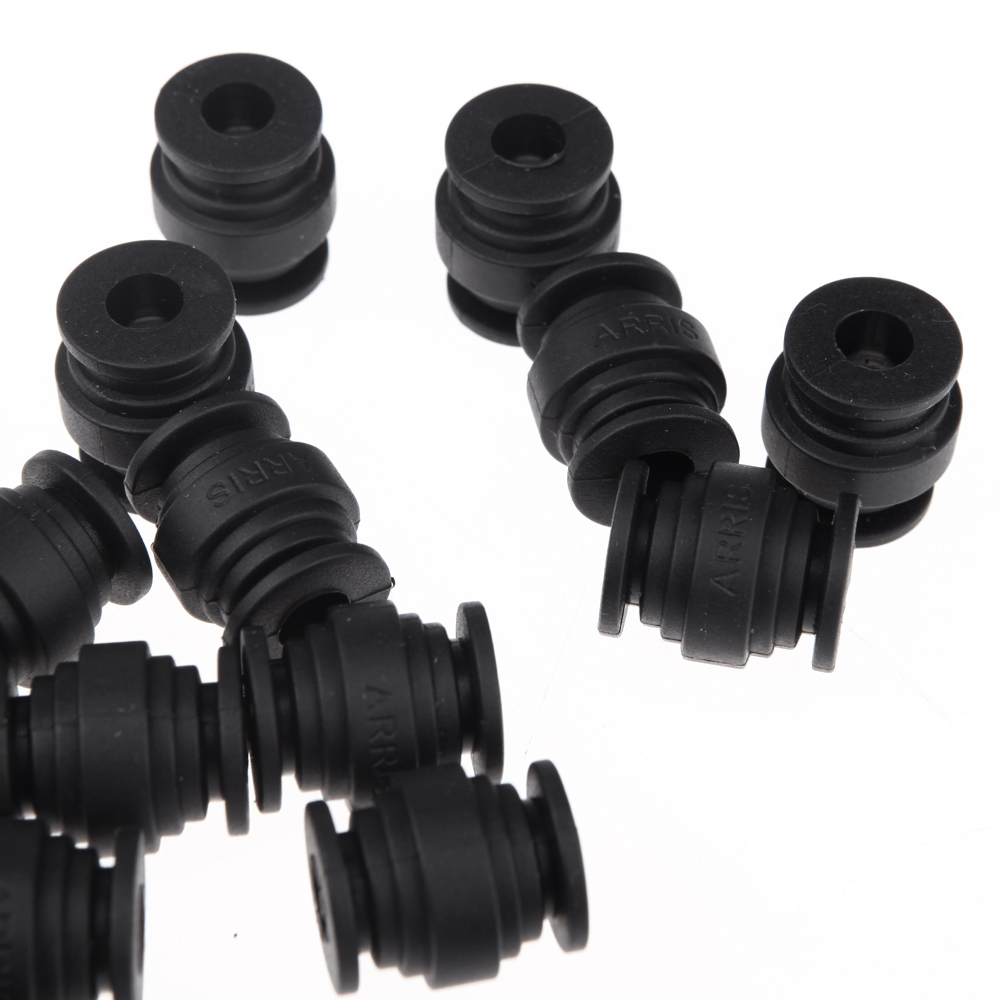
With vibration dampening, the goal is to reduce vibration with shock absorption and other techniques. For example, on a factory floor, vibration dampening tiles might be used as vibration damping material on the floor to absorb vibration from equipment. Likewise, padding and other types of vibration damping material can be used as insulation fitted onto or around equipment to minimize the amount of vibration which occurs. Specialized vibration dampening mounts can also be used to fit equipment to the floor, bench, or wall in a way which will reduce vibration. Specific types of vibration can also be addressed with particular damping fittings.
What are the reasons for vibration dampening?
There are various reasons why vibration dampening is important. First and foremost it is important for worker health, safety, and comfort. Environments with excessive vibration levels can be unpleasant and potentially dangerous; heavy machinery can contribute, for example, to hearing loss. By implementing vibration dampening, companies can make work environments safer. This reduces the risk of employee injury and helps companies retain employees by demonstrating that they are committed to a healthy workplace. Another reason for vibration dampening is to protect the equipment. Sustained vibration can cause damage that varies in nature, but which can cause abnormal wear that leads to malfunction or breakage. Very sensitive equipment needs special vibration protection to prevent misregistration, malfunctions, inaccurate measurement, and other problems. Vibration dampening in this case keeps equipment in better condition, cutting down on maintenance and replacement costs.
Vibration damping materials and their applications
Vibration damping materials are used to reduce or eliminate noise in industrial, electronic, structural and ergonomic applications caused by resonance and vibration. Vibration damping materials are applied to various products such as Notebook computers, PDAs, car navigation systems, mobile phones, and many other types of electronic equipment. Vehicles, too, are subject to vibration and as such they need to be fitted with vibration damping material. Special acrylic rubber is used in dampening of vibration energy by converting it into thermal energy. This is a highly effective vibration dampening material. In addition, the improved heat resistance allows use in a broader range of areas and applications. There truly is a wide range of applications which require vibration dampening both in the industrial and consumer worlds.
Advantage of Lead Free Ammunition over Lead bullet in game hunting
Lead-free ammunition is growing in popularity as alternatives to lead-based bullets given the health risks that lead poses to humans, wildlife, and the environment. In standard ammunition rounds, lead is the major constituent of the projectile mass.
Lead bullet fragmentation
 Fragmentation in current lead-based bullets is an outcome of their design; the aim is that the anterior part of the ammunition enlarges to double its original diameter. However, one effect of this enlargement is that tiny pieces of lead break off from the bullet's tip as it collides and moves through its target. Tiny particles of lead are left behind in the body of the hunted animal which can be ingested during consumption, either by humans or carnivorous animals. This has been one of the main factors leading to the endangerment of the California condor. The high deer population that is hunted within the condor range leaves large numbers or lead contaminated corpses, which has resulted in anywhere from 45 to 95 of the condor population testing positive for lead exposure.
Lead-related problems
The health concerns that lead poses humans is also a factor that is being increasingly considered by game hunters today. Lead ingestion leads to myocardial malfunction and stroke mortality, reduced brain mass and even accelerated crime activities. The exact toxic dose of lead has not being established as it varies from individual to individual, nevertheless the effects of its exposure can be devastating. Young people are affected the most by lead poisoning, which results in intellectual problems and retarded growth. Whenever lead is ingested, it is dissolved by acids present in the stomach where it then enters the blood stream, is transported into internal organs, assembles in the liver and is finally deposited in bones. The intensity of lead intake is proportional game consumption and this is prevalent among local hunters.
Lead-free ammunition Fragmentation
Lead-free ammunition is made of composites of metal powders such as copper, tin, or brass (a mixture of copper and zinc) and polymer composites. Unlike lead bullets, Ecomass Lead Substitute Materials ammunition contain zero toxic constituents are not a threat to human health. The solid design of lead- substitute ammunition results in uniform, rapid expansion, which - in combination with excellent mass maintenance. Such ammunition can be found at many gun stores and ranges and come in a wide range of caliber, from handguns to rifle ammunition.
Hunters are unique environmentalists and have at their disposal the ability to greatly affect the state of wildlife in the States. These game-loving people have a custom of taking initiatives and adjusting behavior in issues related to the preservation of wildlife, such as the development of hunting quotas and the change towards non-toxic rounds use for duck-hunting. “Leave No Trace” is their slogan. The ethics of hunting wildlife supports the use of lead-free ammunition, which prevent the potential extinction of wildlife like bald eagles and the California condor, as well as preserving the grounds for healthy hunting for generations to come. The use of lead substitute bullet enhances the hunting community's duties and continues the commitment towards game conservation.
A BASIC INTRODUCTION TO COMPOSITES AND THERMOPLASTIC COMPOSITES. THIS IS WHAT YOU NEED TO KNOW
Composite materials are materials made from two or more constituent materials with significantly different physical or chemical properties, that when combined, produce a material with characteristics different from the individual components.
The individual components remain separate and distinct within the finished structure. The new material may be preferred for many reasons: common examples include materials which are stronger, lighter or less expensive when compared to traditional materials. One of the most common composite materials in the plastics world are reinforced plastics, which are standard plastics combined with carbon or glass fiber to produce a stronger material.
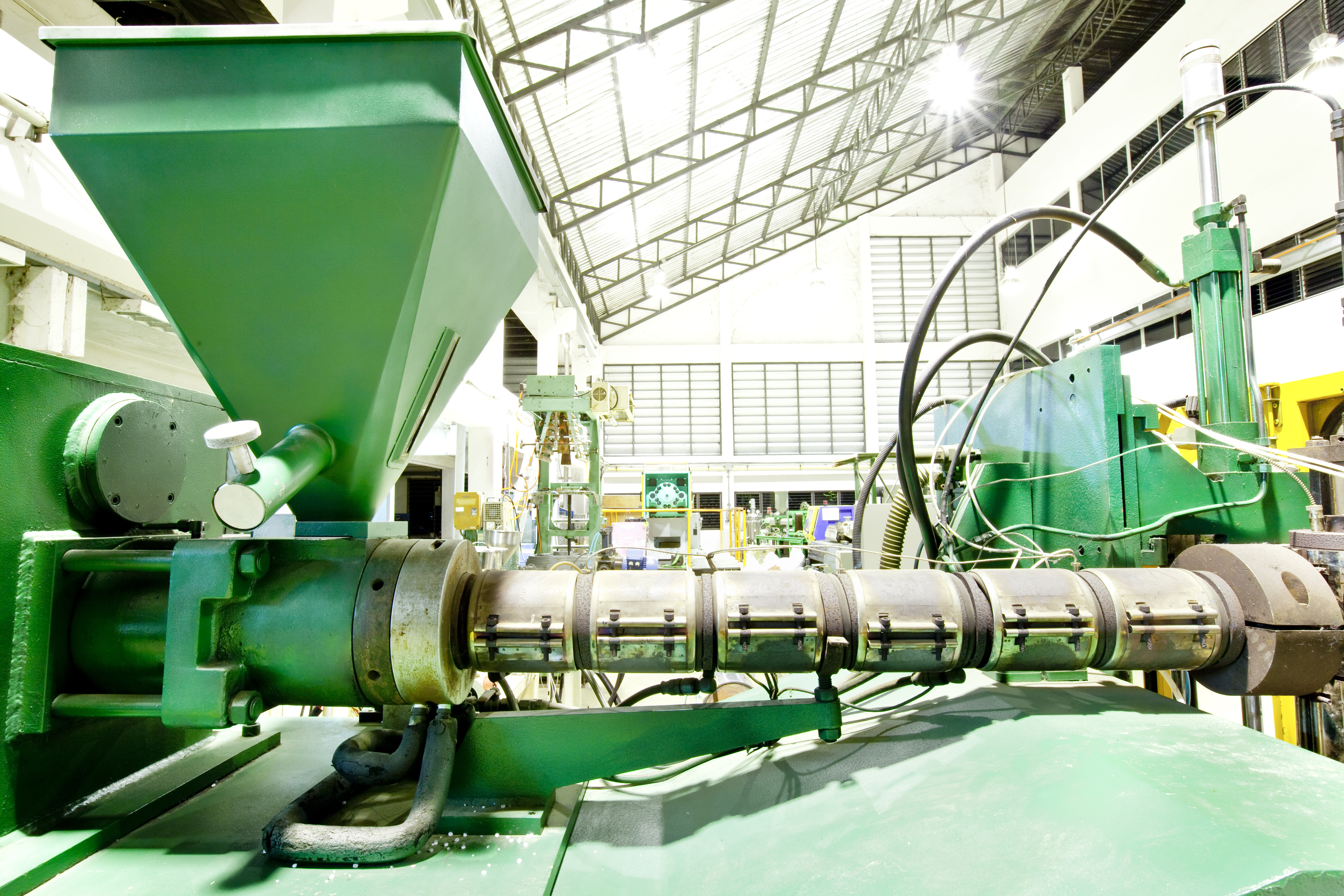 Composite materials include:
Composite building materials such as cements, concrete
Reinforced plastics such as fiber-reinforced polymer
Metal Composites
Ceramic Composites (composite ceramic and metal matrices)
Composite materials have an enormous range of applications, including anything from the construction of buildings, bridges and structures, as well as in parts such as boat hulls, swimming pool panels, race car bodies, shower stalls, bathtubs, storage tanks, imitation granite and cultured marble sinks and counter tops. Composite materials can be found in practically any industry.
Thermoplastic composites are plastic specific composite materials, able to be produced on standard processing equipment such as extrusion or injection molding, however, additional materials or additives are combined with the plastic to change the physical properties to achieve a desired specification. Some of the advantages of thermoplastic composites include unlimited shelf life, faster production, and the recyclability of scrap. Thermoplastic composites offer substantial reductions in flammability, and smoke and toxicity performance, and are relatively insensitive to chemical attack. Typical uses are in automotive, sporting goods, marine use, and in construction. Some thermoplastic composites for example are designed to withstand extreme temperature environments, for example in many aircraft or in industrial applications. Other composites may focus on strength or wear resistance.
It is important to note the difference between thermoplastics and thermoset materials. A thermoset is a petrochemical material that irreversibly cures following a catalytic reaction. The cure may be induced by heat, generally above 200 °C (392 °F), through a chemical reaction, or by suitable irradiation.Thermoset materials are usually liquid or malleable prior to curing and are designed to be molded into their final form, or used as adhesives. Others are solids like that of the molding compound used in semiconductors and integrated circuits (IC).
 In contrast to crosslinking thermosets, whose cure reaction cannot be reversed, thermoplastic composites harden when cooled but retain their plasticity; that is, they will melt once again and can be reshaped by reheating them above their processing temperature. Less-expensive thermoplastic composites offer lower processing temperatures but also have limited use temperatures.
Since the 1960s, the vast majority of composite materials for aerospace have been based on thermoset materials, especially in the United States, due to their material cost and the costs associated with conversion to new materials, such as thermoplastics. However, limitations of thermoset polymers, such as their inability to be re-melted, shorter shelf-life, higher storage costs, and longer curing times, coupled with pressures to reduce weight and an otherwise evolving aerospace environment, have opened up opportunities for thermoplastic composites.
Thermoplastic composite materials have changed the landscape of materials and are continuously being introduced into new industries, products, and applications. The following are the advantages of thermoplastic #composite materials:
Affordable replacement of aluminum, steel and titanium
Improved heat toleranceIncreased toughness
Chemical resistanceEnhanced stiffness
Greater compressive strengthLonger material lifespan
Non-toxic to produce
Recyclable for other processes
Low manufacturing cost
Weldable
Reshaping and reforming flexibility
Recyclable for other processes
These are the basics of composites and thermoplastic composites.
Radiation Shielding Materials- Best Practices
Radiation can be a serious problem in nuclear power generation facilities, as well as in industrial or medical x-rays systems. Radiations are the result of radioactive isotopes, an isotope with an unstable nucleus which contains excess energy. Containing these radiations and preventing them from causing any physical harm to the people utilizing such technologies or facilities is critical. Taking care of human safety and structural material that are compromised by radiation exposure are very important concerns.
 The type of radiations determines what process and materials can be used in regulating the general effects and degree of penetration of the radioactive rays. The indirect ionizing radiations include neutrons, gamma rays, and x-rays are shielded differently from the directly ionizing radiations, which are normally charged particles. Different rays require different radiation shielding materials to effectively block a specific type of ray. The interaction between the specific particulate matter and the elemental properties of the material used in shielding determine the type of shielding to be applied.
There are general shielding properties which must be followed. Radiation shielding is usually based on the principle of attenuation. Attenuation is the ability to reduce the rays’ effect by blocking or waving particles through a barrier material. Attenuating charged particles is done through an energy losing process which is achieved by reactions with electrons that acts as a barrier. The x-rays and the gamma radiation are attenuated through photoemission, by pair production, or through scattering. The neutrons are shielded or made less harmful through combining them with elastic and inelastic scattering. The material used for neutron shielding must be constructed with materials which encourage scattering.
The factors which determine the selection and use of radioactive s hielding include the attenuation effectiveness, resistance to damage, the strength of the rays, the thermal properties, and the cost efficiency. Metals for example have properties like high strength and radiation resistance, nevertheless when exposed to radiation might result in chances in physical properties including the potential for degradation. Material like concrete are also strong and durable, but when they get exposure to radiation they become weaker and less effective at blocking the rays’ penetration.
To reduce the intensity of radiation, the radiation shielding materials property should be studied carefully, and alternative measures taken. A more significant method of #radiation shielding should be adopted, and it is good to seek professional advice when you are planning to shield radioactive materials.
Facts about frangible ammunition
A frangible material is one that can easily fracture and disintegrate upon impact. Such materials will form various fragments following a severe impact with another structure. There are certain materials which possess this property and others which do not. This also applies to manufactured products such bullets and certain machine bodies. Such materials are often used in the bullet making industry to produce bullets that are frangible in nature. All frangible ammunition uses a bullet that will break into tiny pieces upon impact. This always happens when the bullet hits a material whose shock absorbing properties are much higher than it. For example, a material which is harder than the material of a frangible bullet – such as a steel target – will cause the bullet to disintegrate into tiny particles upon impact.
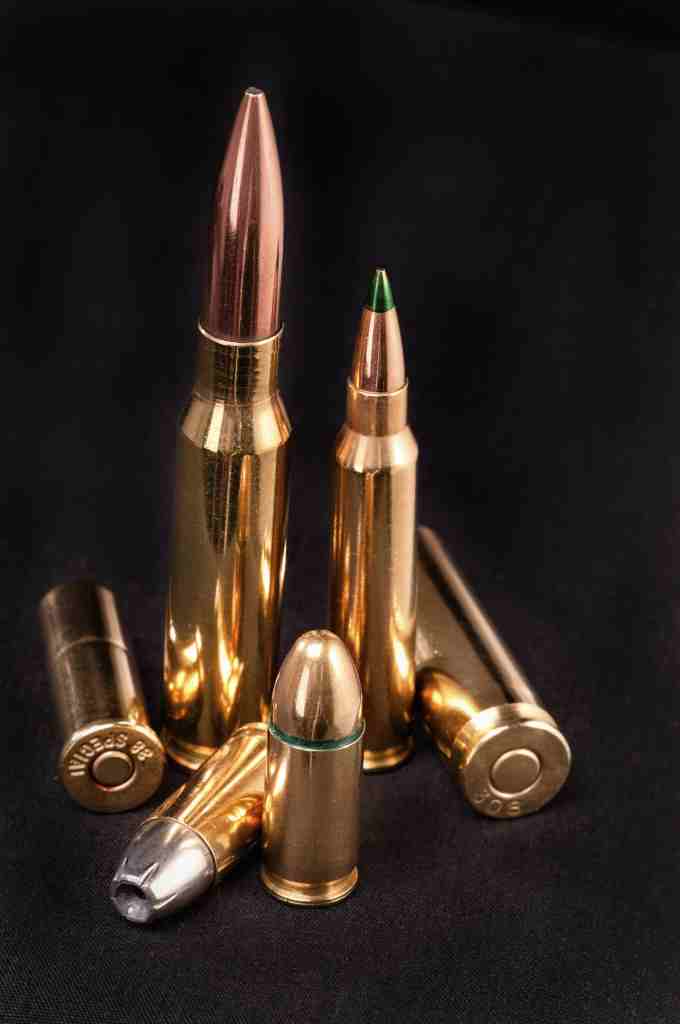 How useful or important are frangible bullets and why do we even need them? There are numerous ways in which the frangible bullets can be used. Such bullets are most often used by people engaging in combat training. A good number of military training setups have adopted the use of such bullets when training their forces. It is quite advantageous to use such bullets during training for a couple of reasons.
First of all, they make it very easy for forces to train using guns without having to worry about the impact of the bullet. This means that the bullet will disintegrate upon hitting a certain surface without any worry of ricochet endangering the lives of the training forces. In the end, no casualties are encountered during the training of forces. Before the introduction of such bullets, training forces in particular for close-quarters combat was quite difficult because of the ricochet potentialthat is associated with standard lead-based bullets. Due to the density and lack of frangibility that they possess, standard bullets can bounce off surfaces and endanger the lives of the forces during training. This is one of the main reasons for the demand for frangible ammunition.
Additionally, all frangible bullets that are produced today are 100% lead free. This is very important because lead is associated with many significant health risks and is ranked as the number two most dangerous substance by the U.S. EPA. For example, lead exposure can lead to lead poisoning, organ failure, and other significant health complications. The brain, the liver, the lungs and even the central nervous system can all be affected by lead exposure. It can also affect the reproductive system of any human being regardless of age. Frangible bullets do not contain lead or toxic metals of any kind and as such they are a much more benign substitute to standard lead rounds.
All You Need to Know About Radiation Shielding
Radiation shielding refers to the use of materials that have the capacity to prevent the passage of excessive doses of radiation. It can also refer to a material that has the ability to prevent the movement of any radiation whatsoever. Perhaps you are wondering why it is important to have materials that can help you to prevent the movement of radiation beyond a certain boundary. The short answer is that radiation shielding is very important to our health and safety and that of the environment. Let’s explore why it’s so important a bit further.
 First of all, you need to understand that certain types of radiation have the capacity to cause harm to the body cells if they are allowed to enter the body. Granted, not all radiations have the potential to do this, however, those that can cause collateral damage to the body cells must be prevented or controlled at all costs. For example, infra-red radiation does not have any harm against the body. After all, the body also produces infrared radiation. But, radiation from radioactive materials such as polonium and uranium can prove to be very dangerous to the body’s cells. When working with such materials, you must be wary of the impact that the radiation can have on your body cells.
Perhaps you are wondering what kind of radiations can cause a significant amount of damage to the body. In general, there are many substances that produce radiation which has the capacity to distort the natural state of the body cells. Radioactive substances are the most dangerous natural substances that produce radiation worth shielding against. Apart from the polonium that has been named earlier, there is also strontium which is also radioactive. Carbon 14 is another example of a substance that is naturally able to produce radiation which is dangerous to the body. Very high doses of any of the major forms of the radioactive radiations can be very harmful to human health. Common examples of radiations that are worth shielding against also include gamma and x-ray radiation. These rays have higher penetrating powers compared to alpha rays.
 Ultraviolet light is also important to shield, and it is perhaps the form of radiation shielding that humans are most familiar with, although most know it by a different name: sunscreen. There are many people who have suffered from serious skin burns due to high dose exposure of ultraviolet light. Some people have also lost their eyesight following exposure to excessive ultraviolet light such as the one produced by certain welding flames.
In order to shield against radiation, it is always advisable to find a material whose thickness is large enough to prevent the radiation from passing through. The construction of radiation shielding materials is based on their ability to contain or limit the penetrating power of a particular form of radiation.
Frangible Lead-Free Ammunition
Lead is a multi-purpose metal. It forms a major ingredient in various products ranging from toys to bullets. Demand for lead is usually high given its abundance in supply and its low price. However, this advantage does not make the mineral human-friendly. Consistent or excessive humanexposure to lead can prove to be extremely hazardous and in some cases fatal.
People have become aware of the possible repercussions of using lead. They have come to understand that with lead comes toxic qualities which can be devastating to human health and life. Hence, regulators have pulled the plug on easy usage of lead. Different types of rules have been set on availability of lead, and all of this regulatory oversight has come at significant added costs. Lead is not used in structures that come in direct contact with humans such as plumbing, radiation shielding equipment and balance weights. Researchers have thus begun to look for an alternative to lead which possesses the same physical properties, most notably high density, but that is less pricey and is not harmful to human life.

Frangible Lead-Free Bullets
For the first time in over a century, a revolution is taking place in ammunition in the form of frangible lead-free bullets. Standard training ammunition, which is used for training and close combat exercises, initially included lead. But with knowledge of potential harm to the human life and owing to the EPA regulations, lead is no longer a part of such bullets. Instead, a new lead-free product has been introduced, which is known as “green bullets.”Prominent materials included in the production of “green bullets” are polymer, tungsten, copper and tin. They are produced from either an injection molding or a powder metallurgical production process.
These innovative new bullets have been used in the three programs, namely:
- Military training ammunition projectiles (5.56 mm)
- Military training ammunition projectiles ( 9 mm and 40 cal)
- 40 mm door breaching grenade projectiles for law enforcement personnel
These new products introduced by Ecomass are known as lead free frangible bullets. These bullets are made from polymers and metal powders, either copper or tungsten, and are especially made for low calibre rifles or handguns. Lead-free production of bullets greatly improves safety to the shooter and removes the threat of airborne lead at shooting ranges. While producing these bullets,the strictest tolerances are adhered to. These bullets have alsobeen acclaimed by the military and leading U.S. ammunition manufacturers as theyhave met all of their performance requirements. This ammunition is a ballistic match to standard lead rounds for up to 25m for pistols and 100m for rifles.
Ecomass has coined these state-of-the-art bullets as “bullets of the future” because they are low-cost, nontoxic, environmentally benign bullets with equal performance to their lead equivalents. Moreover, these bullets have gone through and passed all the stringent regulations, tolerances and testing as set by the U.S. military and leading ammunition manufacturers.
Vibration Dampening – Improving Products and the Work Environment
Vibrations are a natural by product of any machine or device which creates a lot of movement or sound. These vibrations can be defined and measured in terms of their frequencies. Some of these machines produce low frequency vibrations while others produce vibrations of high frequency. High frequency vibrations can result in extremely louse noise conditions and can be really disruptive to a safe and productive work environment. These vibrations can cause excessive treble and excessive noise too. Vibration dampening is used to limit the effects of vibrations by isolating and dampening the vibration, changing the frequency, and there by reducing the force of the vibration and the noise levels.
The Use of Vibration Damping Material
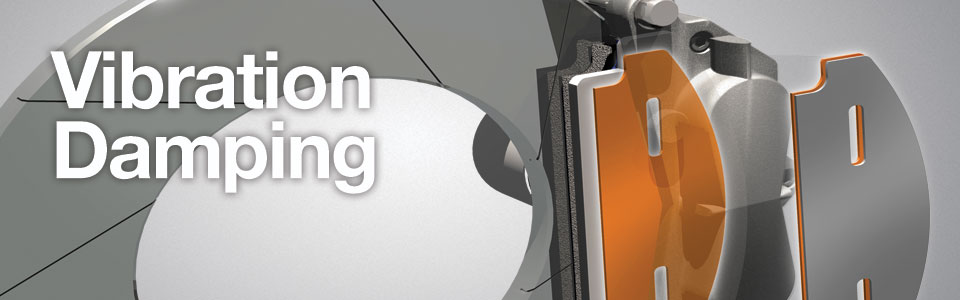 In the case of vibration isolation, the frequencies of the vibrations are adjusted to a specific level to there by reduce the force of the vibration. By adjusting the frequency, the vibrations and their effects can be reduced dramatically. However,it is not possible to completely eliminate vibration for every circumstance. When you can not completely eliminate vibration through vibration dampening, you must utilize vibration damping material to reduce the effects. There are various products such as concrete, lead and rubber which are used extensively to minimize the negative effects of vibration. These materials are installed in products that produce vibrations and function to absorb the high frequency vibrations. These materials can take the form of sheets or custom designed parts, and are installed in places and products which require vibration dampening.
Methods Used for Dampening
There are different methods thatare used for dampening vibrations. One of these is called the constrained layer dampening. In this method a sheet to absorb the vibrations is installed between the base layer and the outer layer of the material. The dampening layer is applied to the two sides with the help of adhesives that ensure the absorbance of vibrations.
Where Can You Use Dampening?
Dampening can be applied in the cars for a smooth ride experience. At times, due to excessive vibration in the cars, a car ride can become really unpleasant. However with the help of vibration damping material this problem can be addressed rather easily. Adequate dampening ensures a smooth drive without fear of excessive vibrations caused by a rocky road, the engine’s sound, or music system in your car. Dampening materials can also be applied to the doors, the handles and windows to minimize the effect of vibrations and further improve the driving experience.
 In addition,these materials can be used in heavy machinery, and in motors and transformers as well. They are utilized in air conditioners and in body parts of vehicles such as cars and buses as well. They are used in golf clubs to reduce the vibration transmitted to the shaft upon impact, to improve performance and comfort. These materials can also be applied in the outer walls of offices and rooms that need to be noise and vibration free.
Cost Effectiveness
The technology behind vibration dampening is state of the art, but it does not need to cost a lot. Dampening services can be obtained at low cost and are known to deliver increased service life for machinery and improved customer contact experience. Thus dampening is very important and tends to have great effect on improving product experience and improving the work environment.
Tungsten Polymer: Lead Replacement at its Finest
 There is no doubt that lead is a harmful material. However, it is so useful, that until recently, it has been nearly impossible to reduce its usage despite the fact that it is known to be harmful to humans and the environment. Lead has been ranked as the second hazardous substance on the U.S. Government’s Top 100 Hazardous Substances Priority List. Lead is a potent threat to human health. Considering the fact that lead is used extensively in a variety of industrial applications and has been for quite some time, there has been a growing demand for identifying a replacement to lead in these numerous applications.
Lead has outstanding physical properties given its high density, ease of casting and fabrication along with high malleability. These factors, and given its low cost, explain lead’s popularity. To come up with a replacement for lead, efforts were made to find composite materials, which would mimic the properties of lead. Composite materials are materials made from two or more constituent materials having different physical or chemical properties and which are combined to form an entirely different material. These lead replacement composite materials pose no toxic threat to the environment and can be recycled during the initial processing and also at the end of a product’s useful life.
Various combinations of polymeric binders and fillers yield compounds with densities ranging from2.0 g/cc to 11.0 g/cc (similar to that of a typical lead alloy). However, only the higher density composites behave similar to heavy metals, primarily lead.
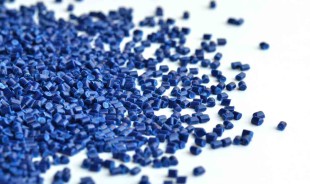 One such composite material, a Tungsten Polymer, was selected for its high density and given its absence of toxicity. It is now being used as an alternative to lead and has become increasingly popular. This tungsten polymer is composed of tungsten powder and one of a number of standard plastic base resins, which are selected according to the application. These base resin systems include polysulfones (PSU), co-polymides, polyamides (PA), polymethylpentenes (PMP), polyurethanes (TPU), acryloynitrile butadiene styrene (ABS), polyethylenes (PE) and polyetheretherketones (PEEK). It a high molecular polymer composite material having a density up to 11 g/cc (equivalent to lead). It is composed of the following components by weight ratio: a high molecular polymer 20-100, tungsten powder 950-1000, tungsten fibres 0-50, a coupling agent 0.5-5 and other aids 0.5-10
The properties of this polymer include:
• High Density ( ≥ 11.34 g/cm^3)
• Perfect Radiation Shielding Performance
• Good Flexibility
• Excellent Workability
• Perfect Environmental Suitability
• Weathering Resistance
• Chemical and Organic Solvent Resistance
• Three Dimensional Forming
• Not classified as toxic waste, if spilled or leaked
• Insoluble in water
• Flash point of >400°C
• No carcinogenic agents
• No respiratory protection is required; gloves and eye protection are routinely recommended during processing
• No health hazard threshold limit value
• Not considered as a Mixed Waste if contaminated by a radioactive waste
Tungsten Polymers have a variety of uses in the following applications and industries:
• Device for X Ray Inspection for both industrial and medical use
• X - Ray Shielding Material and a substitute for lead fibre mat in nuclear reactor piping systems
• Weight and Balance applications—have been used as counterweights for a number of motors, ballasts, and other similar applications
• Sound proofing applications—are used to dampen outside sound in aeroplane headphones
• Automotive—are used as vibration dampening pads to reduce vibration transmitted through the gear shifter
• Sporting Goods – are used as balancing weights in golf club shafts
Understanding X-Ray Shielding
X-Rays
X-rays are a well known and useful form of electromagnetic rays with numerous useful applications. Invisible to the naked eye, x-rays are used in a myriad of medical treatments. They are used to detect and cure diseases and ailments. Moreover, x-rays give a good view of the internal body and allow medical professionals to make informed diagnoses without requiring the patient to be cut open. It is therefore no surprise that x-rays have become so common and are so useful in the medical industry. While x-rays are an important technology that we utilize in many applications, particularly in healthcare, they are also a known form of radiation. Too much exposure to these rays is dangerous to our health. These rays can be harmful after repeated exposure or even from a single exposure for a prolonged period of time. Moreover, given the proliferation of the technology and its uses, there has been a rise in a number of cases of high intensity x-ray radiation in recent years.
Restricting the X-Ray Exposure
 To avoid over-exposure to x-rays— and their associated health risks— there are many provisions which one can use. There are numerous materials which can be used in a variety of forms to limit human exposure to x-rays. These materials work to absorb some of the excess rays and enable humans to undergo x-ray treatments without the risk of total exposure. This process is known as ‘x-ray shielding,’ and these materials are referred to as ‘shielding materials.’
With increasing knowledge regarding the adverse health risks associated with x-ray exposure, governments and corporations are increasing the safety standards surrounding the use of x-rays in order to ensure adequate protection. By utilizing proper radiation shielding materials and methods, the severity of the exposure is significantly mitigated, and we are able to utilize x-ray technology while minimizing or preventing their harmful health effects. X-ray shielding has thus become mandatory for any person or place that utilizes x-ray technology.
Materials Used For X-Ray Shielding
While almost any material can act as a radiation shield to some degree, certainly some materials are better than others at protecting one from radiation. Generally speaking, the efficacy of a shielding material depends upon its density. Lead and tungsten, for example, are two high density metals that are frequently used in x-ray shielding capacities. These materials act to absorb some the rays and prevent them from travelling further.
Composite materials have become extremely viable as shielding materials and in many cases can offer advantages over traditional materials. A composite, by definition, is a material that is created by combining two or more materials or components. The main advantage of a composite is that you can take the strengths and advantages of two or more separate materials and combine them into one new material that features all of those strengths in one. For radiation shielding this can be particularly advantageous because there are several different types of radiation and different materials are required to shield different forms of radiation. Some materials are good at neutron shielding and others are good at gamma shielding. A composite can be created with a blend of these types of materials that creates a new material that can shield both types of radiation. While many materials can be used as effective x-ray shielding, not all are created equal. Nevertheless, the shielding of any material will be affected significantly by its thickness.
X-Ray Shielding
 In order to perform effective X-ray shielding, structures and parts are manufactured using some of the radiation shielding materials identified above in order to restrict x-rays from passing through them. These parts will surround the x-ray device and focus the x-ray exclusively on the area of concern, while protecting all other directions from x-ray radiation by reducing the emission of the powerful rays.
Where There are X-rays, There Must Be X-ray Shielding
X-ray shielding is absolutely critical in places with regular and high x-ray exposure. These include labs, factories and companies which utilize x-ray technology on a frequent basis. X-rays are used widely in research labs and they are essential to medical education and research sectors. Hence it is vital to understand the risks posed by this useful technology and to take steps to ensure proper radiation shielding materials and methods.
Advancements In Ammunition Technologies
Technology is constantly evolving, and at ever increasing rates of change. One of the biggest drivers for growth and innovation has always been the defense industry, and many of the greatest inventions we enjoy in the private sector derive from research and development from the military: radio and internet, to name a few. Nevertheless, a military’s primary focus and function is in the security of its people and as such, the main emphasis of innovation has always been placed on arms and ammunitions. Modernization and innovation in weaponry and ammunitions is critical as it helps in safeguarding a nation’s best interests.
Frangible Bullets
Frangible bullets are among the most innovative types of ammunition used today. The main advantages of frangible ammunition over traditional lead based rounds is in their reduced environmental hazard and in the improved safety to the shooter. First and foremost, frangible ammunition is produced using different materials from standard ammunition, as they are 100% lead free. This is noteworthy because lead is known to be a toxic material that poses significant health risks to humans and the environment.
The materials and production methods used to produce frangible ammunition vary depending on the manufacturer. Some are made from thermoplastics that combine standard plastic base resins and metal powders, such as copper and tungsten, and are produced utilizing an injection molding process. Other types of frangible ammunition are made from metal composites, for example a copper and tin blend, and are produced utilizing a powder metallurgy process. Beyond being lead free, the other main advantage of frangible ammunition comes from the improved safety to the shooter. The definition of frangible is “easily broken,” but do not misinterpret this definition in the context of bullets. When fired, frangible ammunition has the exact same ballistic performance of standard lead rounds up to 100 meters. However, upon impact with a steel target, these bullets will completely powderize, thus eliminating any risk for ricochet.
Uses
 Frangible bullets are particularly effective as training ammunition for military and law enforcement personnel. By eliminating shrapnel risk, these rounds are ideal for use upon steel targets or close combat training. Moreover, by removing all lead constituents in these frangible ammunition, there is no risk of lead contamination either to the environment or to the shooter. Indoor ranges in particular benefit from the transition to frangible ammunition as without the risk of lead contaminating the air supply, they can eliminate the enormous cost of sophisticated air filtration systems.
More On Frangible Bullets
There are many types of frangible bullets. As mentioned above, they differ in the types of materials used and the manufacturing processes utilized to produce them. Nevertheless, they are a viable alternative to lead rounds that offer significant advantages by improving the safety to the shooter and lessening the environmental impact.
Be Wary Around X-rays And Be Protected From It
While many people know that radiation is extremely dangerous, not everyone knows that it is a dangerous reality that many of us face quite regularly in day to day life. The most common way people can be exposed to large doses of radiation would be to undertake an X-Ray treatment by a doctor. The value of such a procedure, despite the radiation risks it brings, are obvious: x-rays are used as a simpler alternative to surgical interventions which would open the patient so that the doctor could see exactly where and how a certain bone was fractured. It is understandable that some level of radiation is to be absorbed by the human body during this process; however, for this risk to be minimized, protective measures must be employed, so as to protect the patients as well as the medical personnel who conduct the X – Ray scan from the harmful radiation produced by x-ray technologies. These methods and materials are better known as the X-ray shielding techniques, employed widely across the medical field.
Why are X-rays so dangerous?
X-rays, although similar to raw radiation, are much more dangerous, since they operate at much shorter wavelengths which are easily able to pierce through the cells and destroy them much faster. Doctors were performing x-ray scans on patients long before standard x-ray shielding protective measures were developed and implemented. As a result, both patients and doctors alike were exposed to radiation sickness. Radiation sickness occurs because X – rays are in a form which can achieve the so called ‘ionizing radiation’. The way it works is relatively simple to understand. X-rays function similarly to light. When regular light makes contact with an atom of some sort, it doesn’t alter it in any way. But, when an X-ray does the same, it is capable of destroying the electrons of an atom, which makes an ion. An ion is an atom which is electrically charged. Other surrounding electrons become drawn to atoms to create more ions. When an ion makes contacts with cells, it can cause some mutations inside of them. The mutations come as a result of breaking the DNA chains inside of a cell.
How can you be protected from X-rays?
Today, doctors and patients, as well as the room in which X-rays are performed, need to be heavily protected to prevent any adverse exposure of radiation to the patient and the doctor. Both patients and medical personnel are required to wear protective shielding garments, and by default, the room where the X-ray machines are kept needs to be reinforced and protected against radiation as well. Even the smallest of radiation doses can afflict the DNA codes in the cells after a certain amount of time has passed. The nature of the radiation poisoning is cumulative, which means that once the human body is afflicted with radiation, there will be no way to extract it. It will always remain stored within a person who was exposed. Many accessories are used in protection against X-rays. The main one would be a protective apron, accompanied with gloves, protective eyewear, vests and collars. Some of the equipment pieces are made to cover only certain parts of the human body. This makes it easy for patients to protect the parts of their body which will be scanned. To date, the most common material choice by far for radiation shielding has been lead. However, in recent years the medical and regulatory communities have grown increasingly aware of the adverse health effects of lead exposure. As such, newer x-ray shielding solutions have hit the market that are entirely lead free, but that also offer equal radiation shielding protection.
Make Loud Vibrations Much More Bearable In No Time
Perhaps the application that we most readily think of when we hear the word ‘vibration’ is of a cellphone with a disabled ringtone. However, vibration is a much more commonly occurring phenomenon and is a reality of most machinery and motors. While you may not know it, many objects, largely created by humans produce vibrations. Some of them have a lower intensity, so that it won’t be detected as easily, while some vibrations can cause the entire ground to tremble. The output of the vibration depends greatly on the item which is producing it. The parameters which are included are the size of the object, its purpose and the power resources which are enabling it able to operate. For example, an electric toothbrush, powered by a generic battery will of course never be able to produce the vibrations that a car engine would.
How can the vibrations be influenced?
 Depending on the source, the noise and severity of vibrations can be quite loud and distracting. Additionally, for particularly strong vibrating sources, the vibration can even lead to performance and wear issues for the machine that is producing them as an unintended consequence of that which they are intended to do. While vibrations are a necessary evil for the mechanism to work, they can severely impact a workforce or user experience and can even reduce the service life of the machine which is the source of the vibration. This is the reason vibration dampening methods were invented, as to ‘silence’ the vibrating object, to a certain point, while still allowing it to function without any major disturbances. Not only does this improve the user experience, but it can also add several years of service life to a machine which otherwise would have broken down over time due to the cumulative effect of vibration. When intending to dampen vibration, the main focus is on frequency. Certain materials have the capability to change the natural frequency of the vibrating object. If the frequency is lowered, consequently, less noise will be emitted. In physics, the word ‘damping’ defines restricting certain oscillations within an oscillatory system. The purpose of vibration dampening is to introduce a certain material to stop the vibration from affecting a user and the machine’s or product’s performance. There are different types of vibrations and sources which may cause them.
What is the most effective vibration damping material?
A lot of different vibration damping material sorts have been discovered. Not all of them are equally effective. Among common choices, you have K-Foam, flexible noise barriers and duct liners, but one of the most widely used materials is Sorbothane. The reason this is the most popular choice among all of the materials which exist is because Sorbothane is the only material which offers versatility. Most of the viscoelastic materials mentioned earlier have certain characteristics which make them eligible to aid in vibration damping. Those characteristics are shock absorption, vibration isolation and good memory. Most of the materials listed above only exhibit one of these characteristics, whereas Sorbothane happens to offer all of them, which makes it incomparably superior to all of the other materials. The reason Sorbothane is able to incorporate all of the optimal characteristics required for successful vibration damping is because of its properties. It is created by combining polyol and isocyanate. The first one is a chemical, while the second one is an organic compound. Along with the main two ingredients, rubber and silicone are used in the creation. Seeing as it is a visco-elastic material, it has the properties of both a liquid and the solid aggregate state. The time needed for it to harden is approximately two seconds. It is a very well known fact that visco-elastic materials are extremely valuable properties for vibration applications.
Make Sure You Stay Protected From Radiation At All Times
As you know, humans are exposed to countless health risks and dangers on a daily basis, some on a personal or micro level, and others on a societal or macro level. However, when it comes to protecting oneself from risks, the first and most important step is to be aware that a specific danger exists and to understand its source. Only then can we turn our attention to how to protect ourselves from such a danger. Radiation is one such threat to human health and life, the extent of which we have only begun to understand or study as little as 100 years ago. Radiation is one of the most dangerous health risks to which humans are frequently exposed. The reason it is particularly dangerous is because ionizing radiation has the capability to alter the DNA code and the chemical reactions which take place there, causing freshly created cells to come out horribly mutated, with severe consequences to one’s appearance and health. Even non-ionizing radiation changes the rotation speed of the DNA molecules and causes damage beyond repair.
How can one protect themselves from radiation’s harmful effects?
 To protect humans from exposure to radiation, scientists have developed models and protective measures meant to minimize the risk from radiation exposure, known as radiation shielding. Radiation is widely present in various industries, in particular healthcare with the prevalent use of x-ray scans. The reason radiation is so harmful is because it attacks cells on a microscopic level. Radiation poisoning spreads very quickly and alters the DNA code without a chance for recovery. It is important to use all means of protection when encountering radiation in any form. When radiating substances are kept in a certain facility, they need to isolated within a room or space built especially to negate the adverse effects of radiation. To date, lead has been the most commonly used radiation shielding material by far. Lead’s popularity as the shielding material of choice has been due to its high density, which serves to minimize or eliminate the radiation levels from x-ray or gamma ray sources, thereby reducing the risk for radiation poisoning. Lead is also a prevalent and cheap material; nevertheless, lead also comes with its own health concerns, and as such, the medical communities have begun to look elsewhere for their shielding needs.
Are there any alternatives which can be used?
Lead isn’t the only material used to protect radiation. It just happens to be the most cost-effective towards containing radiation and stopping it from reaching people. However, lead is itself a toxic material that can bring on its own health risks when exposed to humans. As such, more and more companies are looking for lead-free radiation shielding materials. Tungsten polymers are a very popular lead replacement radiation shielding material as they can achieve the equivalent shielding to lead without any toxic concerns. Some radiation shielding materials may prove to be more effective than others, but it is a fact that all of them can be used for this purpose. In direct contact with radiation, people use specialized suits which are built in a way which negates and resists radiation as much as possible. The suit comes with a helmet and protective gloves and boots as well, all built out of radiation resilient materials. Exposure to radiation may be anything from mildly harmful to lethal, depending on the concentration, length of exposure and the type of radiation. However, both types of radiation, the ionizing and non-ionizing, can create irreversible changes to the genetic code and all of the cells which are produced in your body. Protection from radiation is crucial, regardless of the amount or severity one is exposed to.
Learn About The Least Toxic Substitutes To Lead
Almost any product you see today is going to be maximally adjusted to be as eco-friendly as possible. As you may know, one of the main polluters responsible for a lot of damage done to the ecosystem is cars, fuel and lead-based products which contain some harmful gases. Once released, these gases harm the ozone layer. To alleviate the pressure, which has been directed towards the ozone layer, people have worked hard to develop alternatives to fuel and other lead based materials used in daily life. These substances, which are aimed towards perfecting the lead to the point where they won’t be as harmful, are naturally available for sale in many forms.
How is this possible?

All of the substances which are used to replace lead are called the lead replacement solutions. These are usually chemicals which are able to cause the same effect lead does, but not cause harm to the environment. Since many products are made out of lead and use it actively, it is clear that the replacements can be found many different forms. Most prominently, larger efforts have been made to create lead free fuel, which is going to be able to provide power to the cars, without necessarily damaging the environment in the process. You should note that these replacements are not exactly going to completely stop the harmful emissions reaching the ozone layer and damaging it. They are just going to bring much less damage into the air. One of the most successful projects, which have been introduced to the gas stations, is the lead free fuel, which some cars are already able to use. Other than that, some improvements have been made to the existing ammunition, to make firing the gun or a fire weapon of any sort much less harmful to the nature.
What is used to substitute lead?
Many other chemical compounds can be used as a lead substitute. It has been noted that lead happens to deliver the most damage to the nature, so large number of researchers were after finding a successful way to stop the damage which is constantly being inflicted from completely ruining our living conditions. The step towards creating substitutes for lead is only the starting point of a mission, which has a main goal, to minimize the amount of damage which is dealt with the nature every day these dangerous gases are being released into the air. Although no perfect solution has been found yet, some chemicals to serve as a very good substitute for lead. A good example that would be phosphorus. Even though phosphorus is toxic itself, it is at least two times less toxic than lead would be if use under certain circumstances. Other chemicals of this sort include sodium, potassium and manganese, which are all listed as the least toxic alternatives in comparison to lead. Further research is bound to come up with some of the alternatives which are not going to be toxic at all, but for now, having plenty of alternatives to lead is a large improvement by itself.
Thermoplastic composite materials and their applications
Thermoplastic composite materials are praised as a new generation of composite materials which have many applications in a wide range of industries. Since they are manufactured by bonding two or more materials of different physical and chemical properties, the composite materials take the advantages of the best characteristics of their component materials. During the production process, they are heated and cooled repeatedly to enhance the materials’ strength and damage tolerance. The process abolishes the use of autoclave, internal consolidation and debunking, which eventually leads to cost-savings for manufactures.
Traditionally, thermoplastic composite materials were thought of as expensive materials which were difficult to work with, required high maintenance cost, and needed expensive special tooling to reinforce. However, that was in the past; nowadays, with the development of innovative technologies and thermoplastic composite materials manufacturing procedures, the materials have been improved dramatically in term of their heat tolerance, toughness, flexibility, chemical resistance, and product lifespan in addition to their cost and ease of production. They are used in many different industries these days.
Aerospace industryThe aerospace industry is one of the industries that can potentially benefit the most from this extremely light-weight and durable material. Thermoplastic composites have been experimented with for several years to make some exterior components for some commercial aircrafts, and they are proving to bring many benefits. For example, they reduce the vehicle weight, enhance its flexibility and help to save fuels. As compared to the conventional thermoset composite materials, thermoplastics, despite being more expensive, are superior because they are tougher, more resistant against chemicals and heat, easier to repair and recycle, and have a much longer life span. In the coming future, thermoplastic composite materials will be utilized to make more parts of the aircraft such as passenger seat frames to make it light and become more economical.
Radiation shieldingRecently, various industries including health care, energy, and manufacturing have increased their use of ionizing radiation. It is a well-known fact that prolonged and intensive exposure to radiation can cause great harm to human health and the environment. Therefore, radiation shielding equipment and materials are in high demand. In the past, lead was the most widely-used radiation shielding material because it was cheap, abundant, and able to absorb almost all kinds of radiation. However, because of health concerns, the government regulates and significantly curbs the use of lead. Thermoplastic composite materials have risen to prominence as a superior lead-substitute, which are equally effective in providing protection against radiation. Moreover, they are also more environmental-friendly than lead and strictly comply with regulatory requirements.
ConstructionThe initial intended usage for thermoplastic composite materials was for construction, enriching the pools of high-quality materials used for complicated building structures. The advantages of these materials are they are of low density, high strength and stiffness, and light-weight. They are used to make various construction items such as roof light, domes, pipelines, doors, windows, floorings, and sanitary ware. The only disadvantages of this material are that it is quite expensive to produce, and in some cases, it has high electrical conductivity.
In short, thermoplastic composite materials have many applications in many industries. As technology progresses, hopefully more applications will be discovered, and those innovations will continue to find their way into newer applications and industries.
How to Select the Most Effective Radiation Shielding Materials?
The latest incident of a severe radioactive leak at Japan’s Fukushima Daichii nuclear plant three years ago following a disastrous earthquake and tsunami has brought the topic of radiation shielding and how to protect oneself from radiation to the forefront of the world’s attention. However, for policy makers and companies working in industries that frequently deal with radiation and radioactive materials these were not new concerns. In fact, they have long given special attention to these matters. Companies know fully well that exposure to radiation can inflict great harm to their workers’ health and safety in addition to the working environment and equipment. Policy makers have long been concerned about the impact of radioactivity on the general public and the living environment. Therefore, radiation shielding has become a central part of operating equipment for these companies, and an important regulatory mandate that the government tries to enforce.
It comes as a surprise to many people to know that we are all surrounded by radiation from a variety of sources, including natural sources such as cosmic radiation, and artificial sources such as electronic devices and medical equipment. Anyone with a basic understanding of radiation protection knows the famous TDS (Time, Distance, Shielding) formula used to determine the amount of radiation penetration: the time duration of exposure, distance from the radioactive source, and the amount of shielding available. The use of radiation shielding is very important as it absorbs radiation and stops it from penetrating the object, and it is required by law to employ radiation shielding when where radiation poses as a potential threat.
In order to select the most appropriate materials for radiation shielding, various factors need to be taken into consideration. In theory, as long as the materials have the desirable thickness, they can be used as shielding materials. Another deciding factor is their ability to attenuate radiation, slow it down or block it, which depends on the density of the shielding material. Besides, the material should also meet the demands for weight, resistance to radiation corrosion, durability, consistency of shielding capability, ease of fabrication, and cost efficiency. When selecting the right radiation shielding material, a balance must be made among those factors. In addition to the aforementioned criteria, the choice of shielding materials also depends on the type of radiation because different materials work best with different radiations.

• Alpha and Beta radiations: These radiations travel for just a short distance, and only need a thin layer of light material or heavy clothing to cover.
• Neutron radiation: Neutron radiation is a very difficult one to completely deflect, as depending on its energy level, it generally can penetrate through thick materials. Neutron shielding should also attenuate the secondary radiation such as gamma radiation. The most favorable shielding material should contain hydrogen.
• Gamma and x-ray radiation: To protect an object from gamma rays, it is necessary to use thick and dense shielding material. To this end, lead is a likely candidate since it is among the the cheapest and most readily available high density metal in the periodic table.
Many people, however, have recently raised concerns regarding the use of toxic materials such as lead in many radiation shielding applications. Therefore, new non-toxic high density materials are being introduced such as polyethylene-based materials, and high density composites of tungsten or boron. As a result, there are now more options for radiation shielding materials on the market than ever before.
Why Radiation Shielding Is An Important Part Of Our Life!
Radiation exposure in small doses, or exposure to low energy sources of radiation, can be bearable to the human body. Like it or not, we are all exposed to much more radiation than the average human is aware. Radiation from common devices like mobile phones have not been demonstrated to cause any health issues in your body. However, when it comes to radiations such as those coming from Gamma Ray, X-Ray and Nuclear sources, these forms of radiation can cause cancer and several other significant health problems in the human body. As a result of more and more technologies and equipment that produce such radiation, radiation shielding has become an increasingly important issue for industry and for worker and human health in general.
Why is radiation shielding important?Radiation is a necessary by-product of many of the most important technologies of modern life. Without it, we wouldn’t have been allowed to make the advances in analytic imaging and in modern health science that we all enjoy today. Where would we be without X-rays, MRIs and CT scans? What would our hospitals look like without these technologies? Despite our dependency on these technologies, the radiation that they produce nevertheless remains a significant health concern as too much exposure to radiation emission can be very harmful to our wellbeing.

Radiation emission is a part of daily life, both in medical and industrial settings. There are many work environments in which workers are exposed to significant levels of radiation, and to eliminate the potential health concerns of their workforce, employers have to ensure that their workers and their work environment are properly shielded for radiation.
If a person working closely in a radiation producing environment isn’t properly shielded or protected, then there remains the possibility for harm to his or her body. If a person is continually exposed to extreme levels of emission they’ll have a considerable possibility of contracting cancerous tumors. Radiation illness, also known as radiation poisoning,has been known to cause symptoms such as:
• Diarrhea• Nausea and vomiting
• Hair loss
• Fatigue, weakness, fainting, exhaustion
• Bloody stool
• Blood vomiting
• Bleeding from the mouth, nose, rectum and gums Know what radiation solution is appropriate for you?
When sourcing a radiation protection solution, it is absolutely essential to look for expert counsel on what degree of protection and shielding is required, in addition to what materials are available to achieve your shielding requirements. Shielding options like lead lined doors and lead fabrics are good shielding materials, but they can create their own health concerns given the known toxicity of lead. Therefore, it is better to consider radiation shielding options that are lead free. There are many suppliers out there today that can provide lead free radiation shielding solutions that are also environmentally friendly.
Frangible Lead Free Ammunition Provides An Eco-Friendly Alternative to Lead Rounds!
Frangible ammunition or bullets are designed to powderize upon impact,thereby eliminating ricochet risks and enhancing shooter safety during training with steel targets, or in close quarters combat. Frangible bullets represent the latest and most significant innovation to firearm science within the last hundred years.Moreover, frangible projectiles are lead-free, offering an eco-friendly alternative to standard lead rounds. Undoubtedly, frangible ammunition has turned out to be an immense player in the ammo industry as it provides a nontoxic, lead-free substitute to conventional lead bullets.
Frangible bullets aren’t made from lead shell enclosed with a copper jacket, but rather are created with composite materials of copper, tin or tungsten compounded together with plastic base resins and are produced via an injection molding or gunpowder metallurgical production process. Thanks to military goals, state regulations, and EPA regulations, conventional lead ammo is now being replaced by green ammos.
Traditional lead bullets are responsible for health hazards & environment pollution:Traditional lead bullets used in fire ranges or in military training facilitiescan lead to various health hazards and can cause environmental pollution. This can be especially dangerous for military or law enforcement personnel who are required to spend considerable time at ranges for training purposes and who thus face higher degrees of lead exposure.When shooting traditional lead bullets, airborne lead at the firing end can contaminate a facilities air supply and can be inhaled by the shooter, entering into the respiratory system and potentially creating significant health concerns. In fact, using bullets containing lead in military training can result in contagion problems for both outdoor and indoor shooting ranges. Ground waters and lands also get polluted massively by the deposits of lead rounds that accumulate on the range over time. As a result of this very concern, the military has become increasingly concerned about the location of their training ranges and their proximity to water supplies. These concerns are a major cause behind the US military push towards ‘green ammo’.
Lead free ammunition by Ecomass Technologies:If you are in search of lead free ammunition, then look no further. Since 1998, Ecomass Technologies has been supplying lead free products to clients all over the world. However, one of the earliest and most significant applications for Ecomass’ innovative lead free materials has been lead free frangible projectiles. Originally developed as lead-free training projectiles for law-enforcement and military personnel, Ecomass’s copper and tungsten based compound materials are suitable for both indoor ranges as well as close-quarters combat training.
The utilization of Ecomass lead-free projectiles formed with either tungsten-filled or copper filled composites in small capacity rifle and frangible ammunition enhances safety and eradicates the danger of lead contagion at firing ranges. Ecomass’s frangible projectiles are made utilizing an extremely controlled injection molding procedure that is capable to meet even the most stringent of tolerances to ensure recurring performance with complete function and dependability. As a result of this precision, Ecomass’ frangible projectiles are a ballistic match to standard lead rounds at 100 meters distance.
Most importantly, Ecomass’s projectiles have passed stringent ballistic performance testing by the armed forces as well as several of the world’s most important ammunition manufacturers. Their inventive lead-free composite materials combined with the manufacturing advantages of the injection molding process that allow them to develop and produce consistent frangible projectiles of the highest quality. More importantly, Ecomass is committed to continually enhancing and refining their technologies to remain as the leading and most innovative supplier of lead free ammunition.
Ecomass’s Plastic Compound Promises to Deliver the Best of X-ray Shielding Products!
X-rays are a crucial segment of health technology and are indispensable for monitoring as well as diagnosing medical conditions. For years lead has been the material of choice to produce X-ray shielding and is utilized in a wide array of shielding products, ranging from shipping containers to lead sheet and laboratory accessories, etc.
X-ray shielding materials are utilized widely in the healthcare industry. Patients are unprotected to powerful x-rays for brief periods of exposure, which can nevertheless be dangerous. For physicians, however, who have to perform the procedure on several patients daily, this repeated exposure can become a significant risk. Surely, most are aware that exposure to x-rays is hazardous to your wellbeing. However, while most are aware of the risks of x-ray technology, fewer seem to understand the health risks of lead, the material still most commonly used to provide x-ray shielding. While lead can successfully shield and protect users from x-rays, it is nevertheless a toxic material and exposure to it can lead to its own health concerns.
Lead free X-ray shielding materials:The extensive use of lead for X-ray shielding can be easily observed these days as, unfortunately, lead is still regarded as the most ideal material for radiation shielding solutions due to its low cost. Despite its low cost attractiveness for manufacturers, lead is a dangerous material that can cause significant environmental degradation in addition to human health risks. As such, there’s also global pressure to eliminate or minimize the utilization of lead in industrial products.

Thanks to government and scientific studies we are increasingly aware that lead is extremely lethal and can lead to water source contamination and land pollution. As a result people are now looking for lead-free materials for X-ray shielding as well as other ionizing radiation sources. Ecomass Technologies have brought forth a material revolution to meet this demand, by producing environment friendly thermoplastic composites that supply hundred percent lead equivalency radiation shielding protection but without any lethal components.
Convenient X-ray solutions provided by Ecomass:Ecomass deliver completely safe x-ray shielding plastics that help OEMs deliver an inventive, secure and very affordable X-ray solution that reduces lead exposure to less than one percent of permitted professional doses. Through the utilization of strict practices in research and development, and in testing and refining designs for advancement, Ecomass ensures the delivery of the finest quality materials and products to their clients all over the world. They continually evaluate their success via independent certification, cautious building code observance, and the utilization and requirement of their materials in a numbers of government and private-sector programs with strict regulatory requirements.
Ecomass’s products are highly appreciated by the dental care industry:Ecomass has provided some fantastic lead free x-ray shielding solutions to the dental care industry. Its lead free thermoplastic composites have been utilized to produce handheld dental X-ray product line. Weighing just five pounds, the lightweight cordless X-ray tools made from Ecomass’s high density thermoplastic compounds have helped significantly to save time and decrease exposure for dental hygienists, dentists, and their patients.
Ecomass – The World Leader in Manufacturing High Density Plastic Material!
Plastics have become a ubiquitous material prevalent in almost every facet of human life and industry, whether it is agriculture, building construction, medicine, education, transportation, packaging or communication. The main cause for the popularity of plastic comes from the immense range of properties that can be achieved with various plastics, in addition to its relative low-cost and ease in processing. The demand for plastics has been steadily growing since their advent. In last six decades, the plastic industry has grown internationally with present usage of more than 130 MMTPA.
Ecomass has changed the quality of plastic:
Ecomass Technologies promises to deliver the highest quality thermoplastic composites without any toxicity concerns. One of the best features of Ecomass’s thermoplastic compounds is their ability to achieve the physical properties of metals with the production advantages of plastics, offering injection moldable plastic solutions to replace conventional materials like ceramics, glass, steel, lead and zinc. There are several applications for which designers and equipment manufacturers require high density plastic materials that enable them to place significant mass in precise areas. Applications that require a balancing, weighting, radiation shielding or vibration dampening solution all depend on mass and precision, and this is where Ecomass thermoplastic compounds deliver innovative solutions.
Ecomass’s entire product ranges are lead free:
Because of increasing environmental and regulatory concerns in the global marketplace, the demand for lead free solutions inall industriesis growing. Ecomass is fully committed to providing lead replacement material solutions for manufacturers Ecomass and is committed to reduce the negative impact of lead on the world’s natural environment. They also work closely with suppliers and customers to identify and quickly eliminate harmful substances from each and every product.
Ecomass’s high density plastics promises to deliver the weight of Metals with the advantages of Plastics:
Ecomass remains committed to progress and is constantly working to develop new and better formulations tailored specifically to new and exciting applications. In the golf industry, Ecomass continues to refine and develop compounds to deliver the precise weight required by club-head manufacturers while also improving performance by dampening vibration transmitted through the club upon ball-striking. Similarly, Ecomass materials are finding their way into more and more automotive applications, with compounds that can successfully replace die-cast zinc and lead parts. And finally, Ecomass continues to develop new materials for a variety of lead-free projectiles in an effort to expand their ‘green ammo’ product line and to provide military and law enforcement personnel with a completely non-toxic training experience.
Ecomass – Offering Exceptional Lead Replacement Compounds!
For years scientists, medical experts and researchers have understood that lead and other kinds of toxins when exposed to the atmosphere or a water supply are hazardous to human health. In fact, with the proliferation of technologies and the growth in manufacturing, the human exposure to toxins and chemicals has significantly increased in the last hundred years, resulting in some significant health risks. Lead has immense negative effects on the operation of different systems inside the human body. Higher levels of exposure it could be fatal and in lower levels it can slowly poison your body, leading to significant long-term health concerns.
Lead can be found in several common household products. Lead is prevalent in antique jewelry, crystal, plastic toys, pottery and ceramic glazes. It has also contaminated water supplies, especially where there’s industrial waste pollution from insecticides or pesticides. Exposure to lead in the atmosphere is extremely problematic as once this metal stored inside the body it can result in extreme health conditions.

Workers who are exposed to lead in the work place can develop an assortment of illness, such as gastrointestinal effects, neurological effects, anemia and kidney aliments. As a result, employers are required to safeguard employees from extreme lead exposure under OSHA lead standard covering shipyards, construction and general industry. The lead standard ascertains an acceptable exposure limitation of 50 ug/m3 of lead for eight working hours for all workers. Workers can take action against their employer if the above mentioned rules are broken. As such, many industries and product developers are looking for lead replacement materials and parts so that they can avoid any lead related health hazards to their workers and the significant regulatory costs and concerns that accompany any use of lead in the workforce.
Take advantage of Ecomass’s unique lead replacement compounds:Introduced in 1999, Ecomass Technologies has become the industry leader in producing high density lead replacement plastics. Ecomass Compounds are completely non-hazardous and are utilized as superior lead replacement materials. Ecomass products are eco-friendly, containing absolutely no environment pollution whatsoever. Furthermore, these thermoplastic composites accomplish the density of lead, thus providing near identical physical properties without any deadly concerns.
Ecomass’s injection moldable high gravity compounds are a great lead substitute material. Most importantly these high density engineered thermoplastics can be custom formulated and developed to meet the density and physical property requirements of your specific application needs. Therefore Ecomass’s product can be an ideal lead replacement material, especially for those seeking an injection molding solution.
Ecomass’s high density specialization:Specializing in high density and lead replacement applicaitons, Ecomass high gravity compounds can be formulated up-to 11 g/cc and can be used in an extensive range of applications including balancing, weighting, vibration dampening and radiation shielding. Most importantly, all Ecomass composites meet the RoHS instruction, are hundred percent lead free, and don’t contain any harmful materials.
All that you need to know about different radiation shielding materials
Radiation is a serious safetyconcern in many work environments such as atomic power plants, facilities with commercial or medical x-ray systems, radioisotope tasks, and a variety of other working sectors. Controlling radiation and eliminating the risks it poses to worker safety and the work environment is a critical undertaking required by any workplacewithequipment that can produce dangerous levels of radiation. Radiation shielding is essential to protecting both human safety and the work environment, in addition to protecting delicate components, such as electronics or film.
The process of controlling the effects and level of transmission of radioactive rays differs according to the type of radiation. Typically, particle radiation, such as alpha particles, beta particles, neutron and cosmic radiation, is classified independently from electromagnetic radiation, such as alpha or beta particles. Different types of ionizing radiation interact in different ways with shielding material. The effectiveness of shielding depends on the stopping power of radiation particles, which varies with the type and energy of radiation as well as the shielding material being used. Different radiation shielding materials are therefore required depending on the application and the type and energy of the radiation. For example, high atomic number (i.e. higher density) materials are very effective in shielding x-ray and gamma ray sources, however, they are ineffective or even worse, counter-effective, when attempting to shield neutrons or beta particles. In contrast, particle radiation sources are much better shielded by lower atomic number materials.
There are different materials that can be used as effective radiation shielding materials depending on the radiation source. Radiation protecting is the ability to reduce a wave’s or ray’s impact by avoiding or colliding contaminants through the shieldingmaterial. Charged contaminants may be attenuated by losing power to responses with electrons in the shield, while x-ray and gamma radiation are attenuated through photoemission. Neutrons can be made less harmful through a mixture of flexible and inelastic spreading, and most neutron shields are designed as such. The main kinds of radiation experienced in commercial tasks include:
• PhotonRadiation (Gamma and X-rays): Photon radiation is considered gamma rays if produced by a nuclear reaction, subatomic particle decay, or radioactive decay within the nucleus. If the radiation is produced outside the nucleus, it is known as x-ray radiation.
• Neutron Shielding: Neutrons are contaminants that have neither a positive nor a negative charge, and cannot directly cause ionization. However, fast neutrons will interact with the protons and produce and scatter radioactive nuclei of the materials.
There are several factors that impact the selection and use of radioactive protecting components. Concerns such as attenuation performance, strength, processability, heat qualities, and cost can determine the optimal shielding material for a particular application. Lead has been the predominant radiation shielding material of choice to date due to its high atomic number and shielding efficacy, its low cost and easy processability. However, with increasing regulatory pressure against the processing, sale and use of lead products due to its toxicity, industries are forced to look elsewhere for radiation shielding solutions.

For many part makers, lead free thermoplastics have become a modern material solution for lead free radiation shielding. Ecomass Technologies is the technological leader in lead free shielding materials, providing thermoplastic shielding solutions to the medical, industrial and nuclear industries for 15+ years. Injection moldable, these materials can be molded into complex shapes and completely eliminate any regulatory concerns as they are 100% lead free and do not contain any toxic constituents. Moreover, custom compounded to the exact density and formulation required by the customer’s application, Ecomass delivers material solutions tailored to the customers’ exact needs, optimizing the balance between cost and performance. Our goal is to relentlessly pursue innovative methods and materials for radiation shielding purposes and to be recognized as the leader in lead free radiation shielding technology.
Different radiation shielding materials and the techniques involved
Here’s some brief information about the different types of radiation shielding materials used and the techniques involved:
 Gamma and X-ray Shielding
In most situations, high-density components are more effective than low-density ones for avoiding or reducing the concentration of radiation. However, low-density components can make up for the difference with increased material thickness, which is as significant as solidity in radiation protection programs. Lead is particularly well-suited for reducing the impact of gamma rays and x-rays due to its great atomic number. This number represents the amount of protons within an atom, so a lead atom has a relatively large number of protons along with a corresponding number of electrons. These electrons prevent many of the gamma and x-ray contaminants that attempt to pass through lead, and the level of protection can be improved with thickermaterial walls. However, it is important to remember that there is still potential for some rays making it through a radiation shield, and that a 100% effective radiation shield may not be possible in many situations.
 Alpha Ray Shielding
While solidity continues to be an essential attribute for avoiding alpha and beta radiation, thickness is less of an issue. A single centimetre of plastic material is as sufficient for protecting against alpha contaminants as is a half-inch of paper. Lead is in fact worthless in avoiding beta contaminants because beta contaminants can generate additional radiation when moving through components with a greater atomic number and solidity. Instead, plastic materials can be used to achieve an effective shield for working with high-energy beta radiation. When adversely used beta contaminants hit a high-density content, such as tungsten, the electrons are obstructed, but the focus from which the shield is designed to secure can actually become drawn.
Neutron ShieldingLead is alsoineffective for avoiding neutron radiation, as neutrons are uncharged and can simply go through heavy componentssuccessfully. Materials consisting of low atomic number components are more suitable for avoiding this kind of radiation because they have a greater possibility of developing cross-sections that will communicate with the neutrons. Hydrogen and hydrogen-based components are well-suited for this task. Ingredients with a greater focus of hydrogen atoms, such as water, provide effective neutron radiation control in addition to being relatively affordable radiation protection substances. However, low solidity components can release gamma rays when shielding neutrons. As such, neutron radiation protection is most effective when it features a blend both great and low atomic number components. The low-density content can spread the neutrons through flexible spreading, while the high-density sections prevent the following gamma rays with inelastic spreading. Thermoplastic compounds are ideal to produce such materials as they can be compounded both with high and low atomic number components.
Need for Controlling Noise and Vibration Dampening in Industrial Equipment
Industrial equipment in operational condition can generate significant amounts of vibration. Though these vibrations cannot be eliminated, they need to be controlled, or dampened, as failure to do so can lead to many problems that affect a machine’s performance and service life.
Without adequate vibration dampening, machinery vibrations accelerate the wear and tear of every single tooling component, which ultimately leads to a faster breakdown of machine parts. The constant vibrational motion produces cyclical stress. These repetitive stresses accumulate and cause machinery failure, thereby reducing the service life of equipment. Due to vibrations, machine maintenance can become a constant bottleneck requiring excessive down time to service equipment and parts. Hence vibration control is critical as it prevents excessive movement and reduces the wear on machine components, saving time and money on maintenance.

Apart from improving machine service life, vibration dampening also safeguards workers as vibrations can generate high noise levels. As per OSHA regulations, there are limits on the average noise level under which a worker can work in an eight-hour shift, and vibration control keeps the noise below this threshold Vibration control in machinery reduces the ambient sound level and can help in reducing the maximum sound level present. Hence, effective vibration control is a wise investment both in terms of machine performance and worker safety.
In order to ensure worker safety and extend the service life of equipment, vibration control devices should be utilized. There are various methods for controlling vibration. One method utilizes leveling pads in order to maintain machine balance. Similar to washing machines, industrial equipment will shift and begin to vibrate if it is running off balance, which can cause damage and excessive noise. This is one of the easiest and cheapest methods to correct uneven floors or machinery that does not have uniform distribution of its weight during operation. Vibration pads can also be used for vibration control as it reduces noise by simply absorbing and muffling vibrations.
Another method of vibration control includes the usage of vibration mounts. Identical to shocks in an automobile, vibration mounts generate a mechanical or pneumatic dampening effect to cancel out vibrations by producing an equal and opposite force to the vibration. A mechanical vibration mount typically comprises of a high-tension spring identical a car's shocks. Pneumatic devices utilize either liquid or compressed air to nullify shock by either filling or emptying a cylinder support.
For applications and equipment in which vibration cannot be controlled via a vibration pad or mount, there is a third solution available. The use of injection moldable, high density thermoplastic materials is also a great way to deliver vibration dampening solutions. High in mass, these materials can be custom compounded to the exact density required by the application, giving part makers the ability to design, produce and assemble the precise size, shape and mass of a balance-weight required. These materials can be compounded up to 11 g/cc and can be molded into complex geometries, giving part makers the freedom to design the exact counterbalance, vibration control component they need, and nothing more. Furthermore, the nature of these high density materials makes them natural sound dampeners, adding value by reducing equipment noise as well.
The various solutions for leveling industrial equipment and dampening vibration provide numerous ways to avoid any unneeded wear and tear of machinery or any potential risk to worker’s hearing as even low-level vibrations and sound levels can pose risk to both man and machine.
Ecomass Technologies has long been a pioneer in providing innovative solutions for vibration control through advanced composite materials and engineered thermoplastics. Hence, come to Ecomass Technologies with your vibration dampening problems and leave with a solution.
High Density Material- Reshaping present part designs and revolutionizing the future
Designing the perfect part is something that all designers strive for, but also something that is usually exclusive to sketchbooks and 3D software modeling. When it comes to actually producing a part, designers are forced to face the limitations of production and budget, and often have to make design compromises due to costs, part volume and geometry considerations, and other factors.

With that said, advances in materials technology have given designers newfound freedom. In particular, the advent of high density thermoplastics have given designers much more freedom in regards to part geometry and volume by enabling them to place precise amounts of weight at particular locations. Such high density thermoplastic materials can be injection molded into complex geometries at densities up to 11 g/cc, allowing them to replace metals and other standard materials, and eliminating the need for costly secondary machining operations. Part makers can now mold plastic parts at very high densities, as opposed to having to buy blocks of metal and machine them to shape. To achieve this, high density thermoplastic compounds are required, which can deliver outstanding performance and minimize cost in numerous weighting, balancing, vibration dampening and radiation shielding applications.
These high density materials can also be easily modified to meet a wide range of physical property requirements, such as tensile strength, flex strength, flexmodulus, and heat resistance. Moreover, these high density injection moldable compounds assist by freeing up space in components parts, thus providing designers more design latitude and freedom for designing. Apart from these benefits, these compounds are completely lead free and nontoxic, meeting theincreased demand for high density, lead free products.
These high gravity compounds can be used in a variety of applications. Firstly, they are ideal for weighting and balancing applications. They have been utilized successfully to produce hub odometers, frangible projectiles, instrument housings, return weights, inertia discs, golf club weights, manual transmission shifter cartridges, and more.
In automotive manual transmission shifters, high density material molded in the form of shifter cartridges increases the weight and thus improves the feel at a customer touchpoint, as well as decreases the vibration transmitted through shifter. The reduced vibration improves the customer experience and increases the life of the equipment by reducing wear. As they do not contain toxic materials, these high densitymaterials are highly eco-friendly, and are used to replace lead in a number of applications. One of the most significant uses of these high density materials are in the production of lead free, frangible ammunition. These high density materials aremolded with either copper-filled or tungsten-filled compounds in the form of small caliber rifle and handgun projectiles, which have improved safety by eliminating any lead contamination risksorricochet potential at firing ranges. Unlike lead bullets, frangible ammunition made with high density materials are have no ricochet risk as they powderize upon impact with the target.
It is evident that high density materials have helped revolutionize part design by providing more part volume and part geometry freedom to designers. When it comes to high density materials, Ecomass Technologies outpaces the competition as it offers a wide variety of high density material of up to 11g/cc, with outstanding performance and physical properties. Turn to Ecomass Technologies for an innovative, high density material solution for your application needs.
Completely Nontoxic, Lead-free Radiation Shielding from X-ray, Gamma Ray and Neutron Sources
Radiation has become part and parcel of our life. Our bodies are constantly exposed to radiation due to ubiquitous mobile devices and other technologies. Though a limited amount of radiation is tolerable, when it comes to radiations such as X-Ray, Gamma Ray and Neutron radiation, it is advisable to avoid exposure as these forms of radiationhave been linked to cancer, tissue damage, and other serious health hazards in the human body. As such, radiation shielding is increasingly important in today’s society giventhe growing and widespread use of such technologies and our exposure to them.
The development of radiation protection and shielding standards has occurred gradually over the last century. Although radiation shielding has long been a problem in human history, there were no standards for radiation shielding until 1913. In 1913, the German Radiological Society on X-ray Protection Measures outlined nine steps for protection of radiologists from radiation injury. It wasn’t until 1925, however, that the concept of tolerance dose was introduced. We now understand that there are three major factors that determine the amount, or dose, of radiation received from a source: 1) time of exposure; 2) distance from the source; and 3) radiation shielding. Radiation exposure can be managed through a combination of these factors, and now with this greater understanding along with the advancement in technology, we are able to safely and effectively shield radiation.
Primarily, three types of material are used for radiation shielding - Concrete, Tungsten and Lead. Concrete is mostly used for shielding buildings. But it requires building thick walls for shielding and thus is not a viable solution for shielding devices or instruments. As such, concrete cannot be used for shielding medical instruments. Tungsten can be used for shielding against radiation as it has excellent radiation shielding properties, but it costs $6 per 100g,whereas lead costs $0.02 per 100g. Hence, until now, lead has been the most preferred material for radiation shielding because of its high density, good radiation shielding properties, and its low cost.
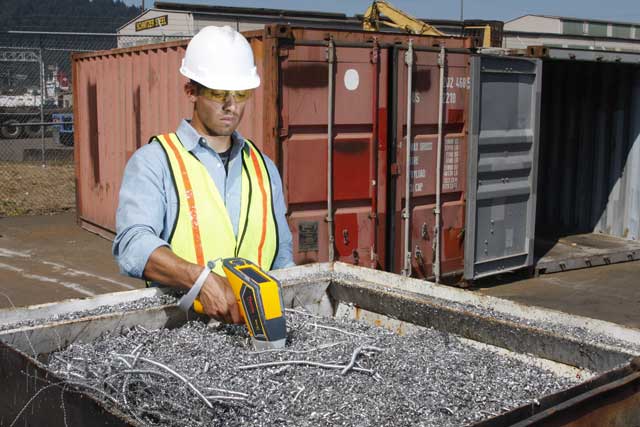
X-rays are one of the most common sources of radiation today as x-ray technology is used extensively in the medical communities for monitoring and diagnosing medical conditions. Therefore, X-ray shielding is required to protect various medical products like syringes, containers. Hence, X-ray shielded products such as lead bricks, lead syringe, lead sheets, shipping containers, etc. are produced on a large scale. The major processused to produce lead shielding products tosecure instruments from radiation is lead casting and lead coating. Lead casting is used to produce lead dustbins, lead containers, lead bricks, lead sheets, source shielding containers and more.
The widespread use of lead for x-ray radiation shielding is easily observed. But lead itself poses many threats to the environment as it is hazardous to the environment and human health. Lead is highly toxic and can cause land and water pollution. As a result the disposal of lead has become a significant issue for manufacturers and customers of lead-based products. With the increased awareness of the toxicity of lead, the EPA and regulatory agencies have increased regulation on the harvesting, processing, sale and disposal of lead products, significantly increasing the time and costs associated with handling lead products. As a result, it has become more attractive than ever both from a safety and cost perspective to consider moving towardslead-free material for shielding x-ray and other ionizing radiation sources.

Lead free radiation shielding materialscan be found in Ecomass Technologies. Ecomass Technologies is totally unique in the marketplace. From its inception over 16 years ago, Ecomass Technologieshas been the leading manufacturer of lead free shielding materials for medical industry. These materials can be injection molded into nearly any shape imaginable, eliminating the need for secondary machining and minimizing the shield’s part volume, giving part makers additional design freedom. Ecomass’ lead free shielding materials have helped numerous material processors and OEM’s worldwide to eliminate the need and use of hazardous lead products by developing eco-friendly thermoplastic compounds that provide 100% lead equivalent radiation shielding without any toxic constituents.For many firms, it would be enough but Ecomass Technologies is striving hard to further innovate. Our goal is to relentlessly pursueinnovative methods and materials for radiation shielding purposes and to be recognized as the leader in lead free radiation shielding technology.